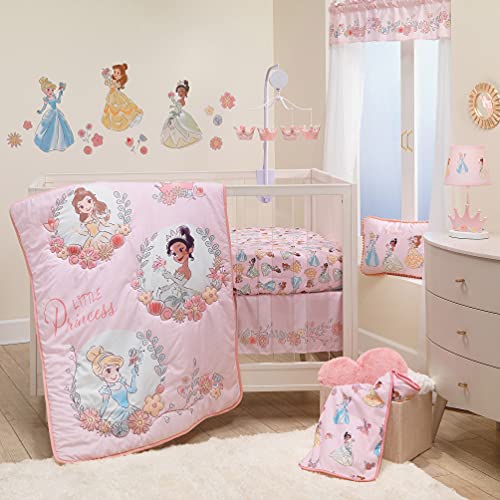
A safe crib mattress is firm, flat, and fits snugly, with no more than two fingers of gap between the mattress and the crib frame. For infants, firm is safe and soft is dangerous, the opposite of what adults want. Use only a tightly fitted sheet on a bare mattress, with no pillows, blankets, bumpers, or soft toys, and always place baby on their back to sleep.
Choosing a crib mattress is not like choosing an adult bed. Comfort and plushness are not the goal. Safety is. The good news is that the rules are simple and consistent, so you can shop with confidence.
1. Firm is the single most important feature
An infant mattress must be firm enough that it does not conform to your baby’s face or head. A soft or worn mattress can increase the risk of suffocation and sudden infant death. Press the center and the edges: a safe mattress springs right back and does not hold the shape of your hand. We cover the details in our crib mattress firmness guide.
2. Fit matters as much as firmness
Gaps are a strangulation and entrapment hazard. A full-size crib mattress should be roughly 27.25 by 51.625 inches and no more than 6 inches thick, and it should fit the crib so snugly that you cannot fit more than two fingers between the mattress and the frame. If you can, the mattress is too small for that crib.
3. Look for current safety standards
Buy a crib mattress that meets current US safety standards from the Consumer Product Safety Commission, and pair it with a crib that also meets current standards. This is one reason to be careful with older hand-me-downs, which we discuss in is a used crib mattress safe. Browse options in our best crib mattresses and newborn crib mattresses, or a bassinet mattress for the early months.
4. Keep the sleep surface bare
Dress the mattress with a single tightly fitted sheet and nothing else. No pillows, quilts, loose blankets, crib bumpers, or stuffed animals belong in the crib with a sleeping baby, because they are suffocation hazards. A waterproof protector under the fitted sheet is fine and helps with hygiene; see our crib mattress protectors and crib sheets.
5. Follow safe sleep basics
Always place your baby on their back for every sleep, on a firm flat surface, in their own crib or bassinet. Room-sharing without bed-sharing is recommended for at least the first six months. Our safe infant sleep guidelines cover the full checklist.
Moving on from the crib
A crib is the safest place to sleep for as long as your child fits and cannot climb out. When they can, it is time to transition, which we cover in when to switch to a toddler bed, along with our toddler mattress picks. See all our guides in the baby and crib section.
Note: This is general information, not medical advice. Follow the current American Academy of Pediatrics (AAP) safe sleep recommendations and your pediatrician’s guidance for your child.
Frequently asked questions
What kind of mattress is safest for a baby?
A firm, flat crib mattress that meets current safety standards and fits the crib snugly, dressed only with a tightly fitted sheet. Softness, plush tops, and extra bedding are unsafe for infants.
How do I know if a crib mattress is firm enough?
Press the center and edges with your hand. A safe mattress resists and springs back rather than molding to your hand. If it holds an impression, it is too soft for an infant.
Can I use a mattress topper on a crib mattress?
No. Soft toppers defeat the purpose of a firm surface and are a suffocation risk for infants. Keep the crib sleep surface firm and bare aside from a fitted sheet.