Based on specs and owner feedback, the Saatva Classic is our overall winner for a bad back thanks to its zoned lumbar support and supportive coil base. For contouring pressure relief on a tighter budget, the Helix Midnight Luxe is our top alternative.
A bad back can turn picking a mattress into a high-stakes decision, since the wrong feel may leave you waking up stiff and sore. We compared the leading back-friendly beds on firmness, spinal-support design, materials, certifications and trial length, then weighed what verified owners report after months of nightly use. We do not physically test mattresses, so every ranking here leans on published specs, third-party certifications and aggregated review themes.
For most people with back pain, the goal is a surface that keeps the spine neutral: supportive enough to stop the hips from sinking, yet contouring enough to relieve pressure at the shoulders and lower back. The picks below span hybrid, foam and zoned-support designs across a range of firmness levels, so side, back and combination sleepers can each find a match.
Saatva Classic
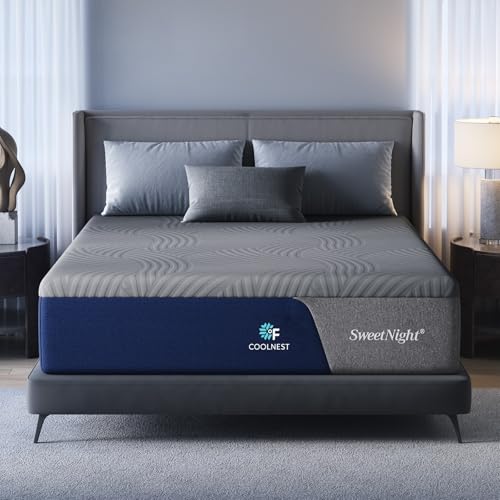
The Saatva Classic pairs a dual coil system with a foam lumbar zone designed to keep the spine aligned. Its Luxury Firm option lands near medium-firm, a feel many back-pain sufferers gravitate toward. The reinforced center third aims to support the heaviest part of the body where lower-back strain often starts.
Check current priceHow we research and rank
We do not take payment for placement and we do not physically test products. Rankings come from manufacturer specifications, material certifications (CertiPUR-US foam, OEKO-TEX textiles), and the weight of aggregated verified owner reviews, analyzed for durability, heat retention and sagging. The scores in this guide are MattressVetted editorial research ratings — our assessment of the available evidence, not customer star averages. See how we rate.
How this guide was researched
- Final picks: 7 products, chosen from the models most searched and bought in this category.
- Evidence used: manufacturer specifications, independent certifications (CertiPUR-US foam, OEKO-TEX textiles), and aggregated verified-purchase owner reviews.
- Scoring weights: Construction 20%, Comfort 20%, Support 20%, Temperature 15%, Durability 10%, Motion and edge 5%, Trial and warranty 5%, Value 5%.
- Testing: we do not physically test products. Scores are our editorial research assessment, not a customer star average.
- Research reflects: July 2026.
Full method on our how we rate page.
The picks, compared
Saatva Classic
Back and combination sleepers who want firm lumbar support · Type: Innerspring hybrid | Firmness: Medium-firm (Luxury Firm) | Trial: 365 nights
The Saatva Classic pairs a dual coil system with a foam lumbar zone designed to keep the spine aligned. Its Luxury Firm option lands near medium-firm, a feel many back-pain sufferers gravitate toward. The reinforced center third aims to support the heaviest part of the body where lower-back strain often starts.
What owners report: Owners frequently report reduced morning stiffness and praise the supportive, non-sagging feel over time. A few mention the bed feels firmer than expected during the break-in period.
- Zoned lumbar support targets the lower back
- Durable coil-on-coil construction resists sagging
- Multiple firmness options to dial in feel
- Heavier and harder to move than foam beds
- Bounce may transfer more motion than all-foam models

Helix Midnight Luxe
Side and combination sleepers wanting contouring with support · Type: Hybrid | Firmness: Medium-firm | Trial: 100 nights
The Helix Midnight Luxe is a medium-firm hybrid built around zoned lumbar coils and a memory foam comfort layer. It is tuned toward side and combination sleepers who need shoulder and hip pressure relief without losing back support. A pillow-top cover adds plush cushioning above the supportive core.
What owners report: Reviewers often note relief at the hips and shoulders along with steady back support. Some say the comfort layer sleeps slightly warm despite the cooling cover.
- Zoned coils reinforce the lumbar region
- Balanced contouring for side sleepers
- Frequent sales improve value
- Can sleep warm for hot sleepers
- Edge support is good but not class-leading

Brooklyn Bedding Aurora Luxe
Hot sleepers with back pain who run warm at night · Type: Hybrid | Firmness: Soft, Medium or Firm | Trial: 120 nights
The Aurora Luxe combines phase-change cooling materials with a hybrid coil base for support that stays temperature neutral. It comes in soft, medium and firm versions, letting back-pain sufferers choose their alignment-friendly feel. The individually wrapped coils aim to keep the spine supported while limiting motion transfer.
What owners report: Owners highlight a genuinely cooler sleep surface and solid back support in the firmer build. A handful wish the softer version offered more lumbar firmness.
- Strong cooling from phase-change cover
- Three firmness options for spinal alignment
- Responsive coils ease repositioning
- Softer model may lack lumbar support for some
- Cooling features add to the price
Nectar Premier Hybrid
Side sleepers needing pressure relief plus coil support · Type: Hybrid | Firmness: Medium-firm | Trial: 365 nights
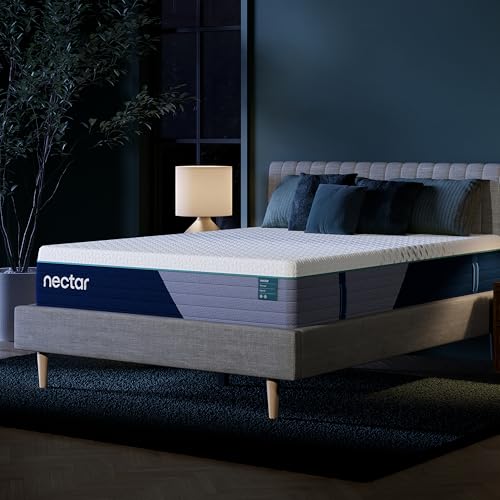
The Nectar Premier Hybrid layers gel memory foam over a wrapped-coil base for a medium-firm feel that cradles the shoulders and hips. That contouring helps side sleepers keep the spine neutral while the coils prevent the lower back from collapsing. A cooling cover offsets some of the heat memory foam can hold.
What owners report: Reviewers report noticeable pressure relief and reduced hip and back ache for side sleeping. Some note a slow-sinking, hug-like feel that takes adjustment.
- Generous pressure relief for side sleepers
- Coil base adds support and airflow
- Long trial period reduces buying risk
- Memory foam hug is not for everyone
- Slower response when changing positions

Allswell Luxe Hybrid
Shoppers wanting back support without overspending · Type: Hybrid | Firmness: Medium-firm | Trial: 100 nights
The Allswell Luxe Hybrid offers a medium-firm hybrid build at a notably accessible price point. Pocketed coils provide a supportive base while a quilted foam top adds light contouring for the lower back. It is a sensible entry option for back-pain sufferers testing whether a firmer hybrid suits them.
What owners report: Owners are generally pleased with the support for the money and call it firmer than expected. Some report the comfort layer compresses sooner than premium rivals.
- Affordable hybrid support
- Medium-firm feel suits back sleepers
- Widely available for quick delivery
- Comfort layer may show wear faster
- Shorter trial than premium brands
WinkBed Firmer
Back and stomach sleepers who need extra firmness · Type: Hybrid | Firmness: Firm | Trial: 120 nights
The WinkBed in its Firmer configuration is a supportive hybrid aimed at sleepers who feel best on a harder surface. Its zoned coil system reinforces the midsection to keep the hips from sinking and the spine flat. Back and stomach sleepers with lower-back pain often prefer this firmness range.
What owners report: Reviewers credit the firm support with easing lower-back discomfort, especially for stomach sleepers. A few find it too firm if they also sleep on their side.
- Strong support for back and stomach sleepers
- Zoned coils stabilize the lumbar area
- Sturdy edge support across the surface
- May feel too hard for side sleepers
- Heavier build is harder to maneuver

DreamCloud Premier
Couples wanting balanced support and a luxury feel · Type: Hybrid | Firmness: Medium-firm | Trial: 365 nights
The DreamCloud Premier is a medium-firm hybrid with a cashmere-blend top over wrapped coils for support and airflow. The balanced feel suits multiple sleep positions while keeping the spine reasonably aligned. Its coil base also helps with edge support and motion isolation for couples.
What owners report: Owners describe a plush yet supportive surface that holds up for back sleeping. Some say the comfort layer feels softer than the medium-firm label suggests.
- Balanced feel works for many positions
- Coil base supports the lumbar region
- Strong edge support for couples
- Feel runs slightly softer than expected
- Heavier than all-foam alternatives
Frequently asked questions
What firmness is best for a bad back?
For most people with back pain, a medium-firm feel offers the best balance of support and pressure relief. It keeps the hips from sinking while still cushioning the shoulders. Stomach and heavier back sleepers may prefer something firmer.
Is a memory foam or hybrid mattress better for back pain?
Hybrids tend to suit bad backs well because their coil base adds support and resists sagging that can misalign the spine. Memory foam offers excellent pressure relief but can feel less supportive if it lets the hips sink. Many back-pain sufferers choose a hybrid with a foam comfort layer for both benefits.
Can a new mattress help relieve lower-back pain?
A supportive, properly aligned mattress can reduce strain on the lower back and ease morning stiffness for many people. It is not a medical treatment, so persistent or severe pain should be evaluated by a clinician. Owner reviews suggest the right firmness matters more than any single brand.
How long before a new mattress eases my back?
Most beds have a break-in period of a few weeks as the materials settle and your body adjusts. Many owners report feeling the difference within the first month. This is why long sleep trials are valuable when buying for back pain.
Does sleep position change which mattress I should pick?
Yes. Side sleepers usually need more contouring at the shoulders and hips, so a medium-firm bed with a plush top works well. Back and stomach sleepers generally do better on firmer surfaces that keep the spine flat.
The verdict
Across our comparison, the Saatva Classic stands out as the best overall bed for a bad back thanks to its zoned lumbar support and durable coil base. Side sleepers who want more contouring should look at the Helix Midnight Luxe, while hot sleepers will appreciate the cooling build of the Brooklyn Bedding Aurora Luxe. Choose firmness around your dominant sleep position and lean on the trial period to confirm the fit.