Based on specs, certifications, and owner feedback, our overall winner is the Zinus 6 Inch Green Tea Memory Foam Mattress for its low profile that suits bunk and loft safety guidelines. For a firmer, more supportive option, the Linenspa 6 Inch Innerspring is a strong alternative.
Bunk beds have unique needs that a standard mattress often ignores. The biggest factor is height: most safety guidelines recommend keeping the top mattress thin enough that the guardrail still rises at least five inches above it, which usually means a profile of six inches or less. We compared low-profile mattresses across foam, hybrid, and innerspring builds, weighing firmness, certifications, and how owners describe them after months of nightly use.
We do not physically test mattresses ourselves. Instead, we read the published specs, look for credible certifications such as CertiPUR-US for foams, and study patterns in verified owner reviews. The picks below lean toward thinner constructions that work for the top bunk while still giving kids and teens enough support, with a few slightly thicker options for bottom bunks or trundles where height is less of a concern.
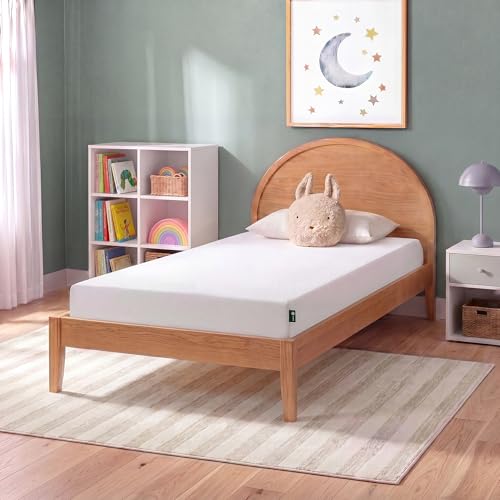
Zinus 6 Inch Green Tea Memory Foam Mattress
This six inch foam mattress hits the height most bunk safety guides call for, leaving room for the guardrail to clear the surface. It layers comfort foam over a firmer support base, which owners say feels balanced for kids and lighter teens. The CertiPUR-US certification covers the foam for emissions and durability standards.
Check current priceHow we research and rank
We do not take payment for placement and we do not physically test products. Rankings come from manufacturer specifications, material certifications (CertiPUR-US foam, OEKO-TEX textiles), and the weight of aggregated verified owner reviews, analyzed for durability, heat retention and sagging. The scores in this guide are MattressVetted editorial research ratings — our assessment of the available evidence, not customer star averages. See how we rate.
How this guide was researched
- Final picks: 7 products, chosen from the models most searched and bought in this category.
- Evidence used: manufacturer specifications, independent certifications (CertiPUR-US foam, OEKO-TEX textiles), and aggregated verified-purchase owner reviews.
- Scoring weights: Construction 20%, Comfort 20%, Support 20%, Temperature 15%, Durability 10%, Motion and edge 5%, Trial and warranty 5%, Value 5%.
- Testing: we do not physically test products. Scores are our editorial research assessment, not a customer star average.
- Research reflects: July 2026.
Full method on our how we rate page.
The picks, compared
Zinus 6 Inch Green Tea Memory Foam Mattress
Most bunk beds and top bunks needing a safe low profile · Type: Memory foam | Firmness: Medium | Trial: 100 nights via retailer policies
This six inch foam mattress hits the height most bunk safety guides call for, leaving room for the guardrail to clear the surface. It layers comfort foam over a firmer support base, which owners say feels balanced for kids and lighter teens. The CertiPUR-US certification covers the foam for emissions and durability standards.
What owners report: Owners frequently mention it arrives compressed and expands within a day or two with a mild off-gassing smell that fades. Parents of younger children report it holds up well to jumping and daily wear over a year or more.
- Six inch profile fits most bunk safety clearance rules
- CertiPUR-US certified foam
- Widely available in twin and twin XL
- Too soft for heavier adults
- Initial off-gassing odor reported by some

Linenspa 6 Inch Innerspring Mattress
Budget-minded buyers wanting firmer support · Type: Innerspring | Firmness: Firm | Trial: Varies by retailer
This innerspring option keeps the same bunk-friendly six inch height but uses a steel coil core instead of all foam. Owners describe it as firmer and more supportive than comparable foam picks, which suits stomach and back sleepers. It is one of the most affordable low-profile mattresses we compared.
What owners report: Reviewers say the coils give a bouncier, more traditional feel that older kids and teens tend to prefer. A few note the quilted top is thin, so a mattress pad improves comfort.
- Firm coil support at a low cost
- Bunk-friendly six inch height
- Good for back and stomach sleepers
- Thin comfort layer may need a topper
- Coils can transfer some motion
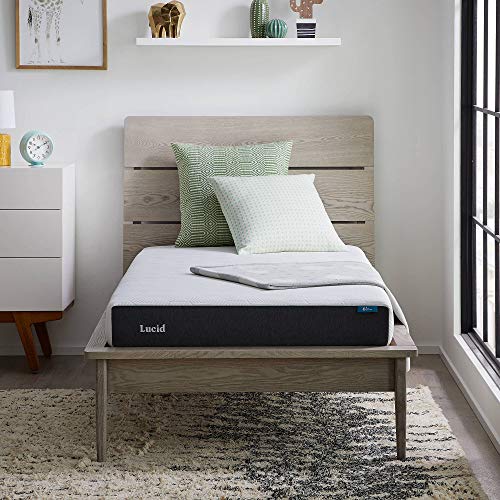
LUCID 6 Inch Gel Memory Foam Mattress
Warm sleepers on a top bunk · Type: Gel memory foam | Firmness: Medium | Trial: 100 nights via retailer policies
LUCID infuses its comfort layer with gel beads aimed at drawing heat away from the body, which matters in an enclosed top bunk where air moves less. The six inch height keeps it within typical guardrail clearance. Its foam carries CertiPUR-US certification.
What owners report: Owners say it sleeps cooler than plain memory foam, though they caution it is still a foam feel that hugs the body. Several mention it works well for kids transitioning from a crib mattress.
- Gel infusion helps with heat
- CertiPUR-US certified
- Low profile suits bunk clearance
- Softer than coil options
- Edge support is limited

Tuft & Needle Mint Mattress
Side-sleeping teens on a bottom bunk or trundle · Type: All-foam | Firmness: Medium | Trial: 100 nights
At a taller profile, the Mint is better suited to a bottom bunk or daybed than a top bunk with a low guardrail. Its adaptive foam offers pressure relief at the shoulders and hips that side sleepers tend to need. The build is CertiPUR-US certified and made for cooler, responsive support.
What owners report: Owners praise the pressure relief and say it does not sink as deeply as classic memory foam. Reviewers note it is a heavier mattress, so confirm your frame and guardrail clearance before using it up top.
- Strong pressure relief for side sleepers
- Responsive, less sink than memory foam
- CertiPUR-US certified
- Too tall for many top bunks
- Heavier than thin bunk mattresses

Modway Aveline 6 Inch Gel Infused Mattress
Spare bunks and guest rooms on a tight budget · Type: Gel memory foam | Firmness: Medium-firm | Trial: Varies by retailer
The Aveline is one of the lowest-cost six inch mattresses we compared, with a gel-infused foam top over a firmer base. Its slim profile keeps it within standard bunk guardrail clearance. It is a sensible pick for a guest bunk that sees occasional use.
What owners report: Owners say it offers reasonable comfort for the price and works well for kids and lighter sleepers. Some report it feels firm at first and softens slightly with use.
- Very affordable
- Bunk-friendly six inch height
- Gel-infused comfort layer
- Less durable for heavy daily use
- Firm initial feel
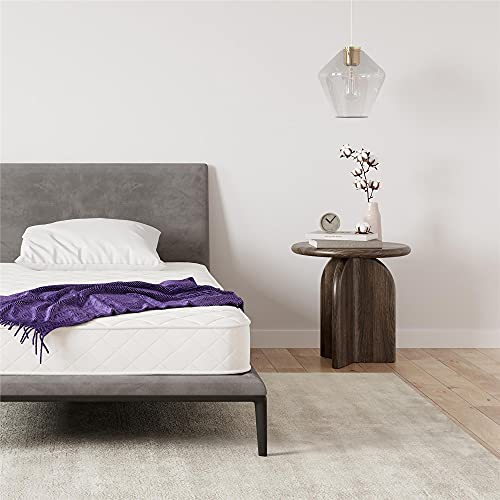
Signature Sleep Memoir 6 Inch Memory Foam Mattress
Kids and teens who prefer firmer support · Type: Memory foam | Firmness: Firm | Trial: Varies by retailer
The Memoir pairs a thin memory foam comfort layer with a high-density support base for a firmer overall feel at a six inch height. That firmness suits back and stomach sleepers and growing kids who need support. The foam is CertiPUR-US certified.
What owners report: Owners describe it as noticeably firm, which families with younger children often see as a plus. A few mention a break-in period before the surface feels its best.
- Firm, supportive base
- CertiPUR-US certified foam
- Fits standard bunk clearance
- Firmness not ideal for side sleepers
- Some report a break-in period

Classic Brands Cool Gel 8 Inch Hybrid Mattress
Bottom bunks needing coil and foam support · Type: Hybrid | Firmness: Medium | Trial: Varies by retailer
This hybrid combines individually wrapped coils with a gel memory foam top for a balanced feel. At eight inches it is taller than top-bunk guidelines usually allow, so we recommend it for a bottom bunk, trundle, or loft with a tall guardrail. The coils add support and the foam adds contouring.
What owners report: Owners like the mix of bounce and cushioning and say it feels more substantial than thin foam mattresses. Reviewers stress checking the height against your guardrail before placing it on a top bunk.
- Coil and foam hybrid support
- Gel foam for heat management
- Good for heavier teens
- Too tall for most top bunks
- Heavier to move and rotate
Frequently asked questions
How thick should a bunk bed mattress be?
Most safety guidelines recommend a mattress of six inches or less for a top bunk so the guardrail still rises at least five inches above the sleeping surface. Bottom bunks and trundles can handle taller mattresses since there is no guardrail clearance to worry about. Always measure your specific frame before buying.
Is memory foam or innerspring better for a bunk bed?
Both work, and the choice comes down to feel and weight. Foam mattresses are lighter and easier to lift onto a top bunk, while innerspring options give a firmer, bouncier feel that older kids often prefer. For heavier teens, a coil or hybrid build tends to offer more support.
What certifications should I look for?
For foam mattresses, CertiPUR-US certification indicates the foam meets standards for emissions, content, and durability. It is one of the most common and credible marks on the mattresses we compared. Checking for it helps narrow down options for a child's room.
Can adults use a bunk bed mattress?
Adults can use them, but thin six inch mattresses are built mainly for kids and lighter sleepers, so heavier adults may find them too soft or unsupportive. If an adult will use the bed regularly, a firmer innerspring or a slightly thicker option on a bottom bunk is a better fit. Always confirm the bunk's weight rating.
Do bunk bed mattresses come in twin XL?
Many low-profile mattresses are sold in both twin and twin XL, which suits taller kids and teens. Twin is the most common bunk size, so check your frame's listed dimensions first. Buying the size that matches the frame avoids gaps that can be a safety hazard.
The verdict
Across the low-profile mattresses we compared, the Zinus 6 Inch Green Tea Memory Foam Mattress stands out as our overall winner for hitting bunk safety clearance while staying comfortable and CertiPUR-US certified. If you want firmer, more traditional support, the Linenspa 6 Inch Innerspring is the value pick. For a bottom bunk or trundle where height is not a concern, the Classic Brands Cool Gel 8 Inch Hybrid offers the most well-rounded coil and foam support.


