Based on specs, certifications, and owner reports, the Saatva Classic is our overall pick for a bad back thanks to its zoned lumbar support and three firmness options. If you prefer all-foam pressure relief, the Helix Midnight Luxe is a strong alternative for combination and side sleepers.
Back pain is one of the most common reasons people start shopping for a new mattress, and the wrong feel can make morning stiffness worse. We compared dozens of popular models on the specs that actually matter for spinal alignment, including coil gauge, zoned support, foam density, and edge reinforcement, then cross-checked those details against what long-term owners report. None of these are scored from physical testing in a lab we run; instead we focused on published construction details, third-party certifications, and the patterns that show up across verified buyer reviews.
For most people with a bad back, the goal is a surface that keeps the spine neutral without creating pressure points at the shoulders and hips. That usually means medium-firm support with enough contouring to fill the lumbar gap. Below are seven mattresses that consistently come up as solid choices, organized by who they suit best so you can match one to your sleep position and body type.
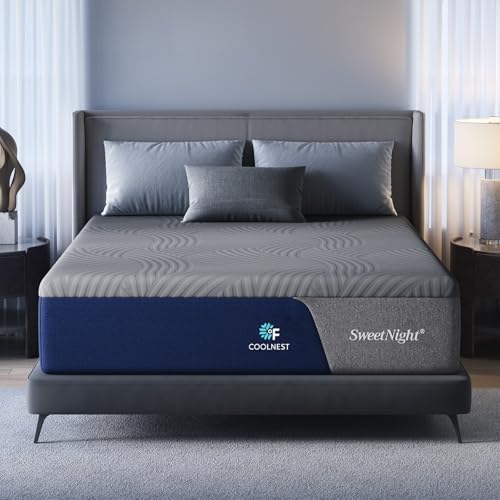
Saatva Classic
The Saatva Classic is a luxury innerspring hybrid with a dual-coil design and a foam-reinforced lumbar zone aimed squarely at spinal support. It ships in three firmness levels, so back and stomach sleepers can choose the firmer feel that tends to keep hips from sinking. The coil-on-coil build also gives it strong edge support, which owners with mobility issues often mention as a plus.
Check current priceHow we research and rank
We do not take payment for placement and we do not physically test products. Rankings come from manufacturer specifications, material certifications (CertiPUR-US foam, OEKO-TEX textiles), and the weight of aggregated verified owner reviews, analyzed for durability, heat retention and sagging. The scores in this guide are MattressVetted editorial research ratings — our assessment of the available evidence, not customer star averages. See how we rate.
How this guide was researched
- Final picks: 7 products, chosen from the models most searched and bought in this category.
- Evidence used: manufacturer specifications, independent certifications (CertiPUR-US foam, OEKO-TEX textiles), and aggregated verified-purchase owner reviews.
- Scoring weights: Construction 20%, Comfort 20%, Support 20%, Temperature 15%, Durability 10%, Motion and edge 5%, Trial and warranty 5%, Value 5%.
- Testing: we do not physically test products. Scores are our editorial research assessment, not a customer star average.
- Research reflects: July 2026.
Full method on our how we rate page.
The picks, compared
Saatva Classic
Back and combination sleepers who want firm, supportive lumbar reinforcement · Type: Innerspring hybrid | Firmness: Plush Soft, Luxury Firm, or Firm | Trial: 365 nights
The Saatva Classic is a luxury innerspring hybrid with a dual-coil design and a foam-reinforced lumbar zone aimed squarely at spinal support. It ships in three firmness levels, so back and stomach sleepers can choose the firmer feel that tends to keep hips from sinking. The coil-on-coil build also gives it strong edge support, which owners with mobility issues often mention as a plus.
What owners report: Owners frequently report reduced morning back stiffness and praise the supportive but not overly hard feel of the Luxe Firm option. A recurring note is that the mattress is heavy and the white-glove delivery, while convenient, makes returns more of a process.
- Targeted lumbar zone supports neutral spine alignment
- Three firmness options to match sleep position
- Strong edge support and durable coil-on-coil build
- Heavy and difficult to move once set up
- Premium feel comes at a higher tier than boxed rivals

Helix Midnight Luxe
Side and combination sleepers with back pain who need shoulder and hip pressure relief · Type: Memory foam hybrid | Firmness: Medium-firm | Trial: 100 nights
The Helix Midnight Luxe is a medium-firm hybrid that pairs zoned memory foam with wrapped coils to balance contouring and support. Its construction is tuned for side sleepers, cradling the shoulders and hips while keeping the lumbar region lifted. A pillow-top cover adds surface softness without letting the spine bow out of alignment.
What owners report: Reviewers who sleep on their side often say it eased hip and lower-back pressure compared with firmer all-foam beds. Some owners note the cover runs warm in the first weeks and that the medium-firm feel may be too soft for heavier stomach sleepers.
- Zoned lumbar support targets the lower back
- Pressure relief well suited to side sleepers
- Reinforced coils give decent edge stability
- May feel too soft for heavier stomach sleepers
- Cover can sleep warm before it breaks in

WinkBed Luxury Firm
Back and stomach sleepers who want a firmer, highly supportive surface · Type: Innerspring hybrid | Firmness: Luxury Firm (medium-firm) | Trial: 120 nights
The WinkBed is a hybrid innerspring with a Tencel cover and a lumbar support zone built to resist sagging in the middle. The Luxury Firm version offers the medium-firm feel most back-pain experts recommend for keeping the spine flat. Its individually wrapped coils and reinforced perimeter make it feel sturdy from edge to edge.
What owners report: Owners commonly highlight that the bed holds up over time without the dreaded center sag that aggravates back pain. A few mention it is firmer than expected, and a couple note that motion is more noticeable than on all-foam beds.
- Reinforced lumbar zone resists center sagging
- Sturdy coils and strong edge support
- Breathable cover helps with temperature
- Firmer than some side sleepers prefer
- More motion transfer than all-foam models

DreamCloud Premier
Back sleepers who want hybrid support without a luxury-tier outlay · Type: Memory foam hybrid | Firmness: Medium-firm | Trial: 365 nights
The DreamCloud Premier is a value-focused hybrid with gel memory foam over a wrapped coil base and a cashmere-blend cover. It lands around medium-firm, which supports the lower back while still softening pressure at the shoulders. The coil core adds bounce and responsiveness that pure foam beds lack.
What owners report: Buyers often call it a good middle-ground feel that helped lower-back aches without feeling like a board. Common gripes are some early off-gassing odor and a feel that runs slightly firmer than the listing suggests.
- Balanced medium-firm support for the back
- Coil base adds responsiveness and airflow
- Generous trial period reduces buying risk
- Mild off-gassing smell when first unboxed
- Feels firmer than some expect out of the box

Nectar Premier
Budget shoppers who prefer an all-foam feel and want body-conforming support · Type: Memory foam | Firmness: Medium-firm | Trial: 365 nights
The Nectar Premier is an all-foam bed with multiple memory foam layers and a cooling cover, sitting at a wallet-friendly tier. It contours closely to the body, which can help distribute weight and ease lower-back pressure for lighter back and side sleepers. The medium-firm rating aims to keep the spine supported while the top layers relieve pressure.
What owners report: Owners on a budget frequently say it noticeably reduced back and hip soreness for the price. Recurring concerns include a slow-sinking memory foam feel that some find hard to move on and softer edge support than hybrids.
- Affordable entry into supportive memory foam
- Close contouring eases lower-back pressure
- Long trial and lengthy warranty
- Slow-response foam can feel hard to move on
- Edge support is weaker than hybrid options
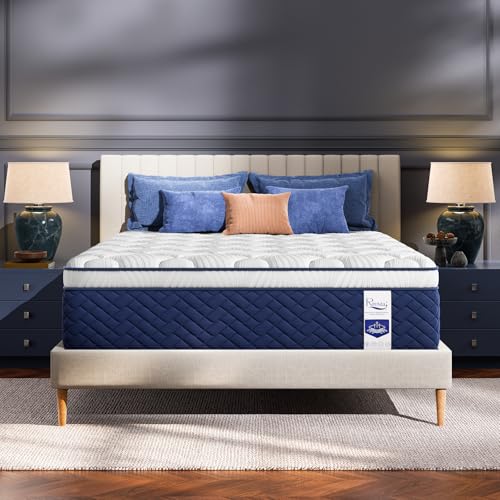
Bear Elite Hybrid
Hot sleepers with back pain who also want zoned support · Type: Memory foam hybrid | Firmness: Medium to Firm options | Trial: 120 nights
The Bear Elite Hybrid combines copper-infused foam, a phase-change cover, and zoned coils to address heat retention while still supporting the spine. Its lumbar zone is firmer than the shoulder area, which helps keep the lower back aligned. The cooling cover targets sleepers who overheat on dense memory foam.
What owners report: Reviewers who run hot frequently note it sleeps cooler than their previous foam beds while still easing back tension. Some owners say the cooling effect is modest rather than dramatic, and a few wanted a firmer feel in the firm version.
- Phase-change cover targets heat retention
- Zoned coils support the lumbar region
- Multiple firmness options available
- Cooling effect is moderate, not dramatic
- Firm option may still feel soft to heavier sleepers

Brooklyn Bedding Signature Hybrid
Shoppers who want a customizable hybrid feel for back support · Type: Innerspring hybrid | Firmness: Soft, Medium, or Firm | Trial: 120 nights
The Brooklyn Bedding Signature Hybrid is a coil-and-foam bed offered in soft, medium, and firm to match different bodies and sleep styles. Its wrapped coils provide a supportive base while the comfort foam adds contouring at pressure points. Choosing the medium or firm option gives back sleepers the lumbar support most need.
What owners report: Owners appreciate the firmness choice and often report the firm version kept their spine well supported. Some note the soft option is too plush for back pain, and a few mention edge support could be stronger.
- Three firmness choices for different body types
- Coil base delivers reliable back support
- Competitively priced for a hybrid
- Soft version is too plush for many bad backs
- Edge support is average for the category
Frequently asked questions
What firmness is best for a bad back?
Most back-pain sufferers do best on a medium-firm mattress, which keeps the spine neutral without creating pressure points. Side sleepers may lean slightly softer for shoulder and hip relief, while stomach and heavier sleepers often need firmer support. The right balance depends on your weight and sleep position.
Are memory foam or hybrid mattresses better for back pain?
Both can work, but hybrids with zoned coils tend to offer stronger lumbar support and edge stability, which many people with back pain prefer. All-foam beds contour closely and relieve pressure but can feel harder to move on. Owners report good results with either when the firmness matches their body.
Can a new mattress actually reduce back pain?
A supportive mattress can ease pain caused by poor spinal alignment or an old sagging bed, and many owners report less morning stiffness after switching. It will not cure structural or medical back conditions, however. If pain persists or is severe, it is worth consulting a healthcare professional.
How long before a new mattress helps my back?
Give a new mattress at least two to four weeks, since your body needs time to adjust and the materials need time to break in. Many trials run 100 nights or longer specifically so you can judge the effect on your back. If stiffness worsens after a month, the firmness is likely wrong for you.
Does a firmer mattress always help a bad back?
Not necessarily. A too-firm bed can leave gaps at the lumbar curve and create pressure at the shoulders and hips, which can worsen pain for some sleepers. The goal is enough support to keep the spine aligned with enough give to fill the natural curves of your body.
The verdict
For most people with a bad back, the Saatva Classic is our overall winner because its zoned lumbar support, firmness choices, and durable coil construction target spinal alignment better than the field. Side sleepers who want softer pressure relief should look at the Helix Midnight Luxe, while hot sleepers will be better served by the cooling-focused Bear Elite Hybrid. Match the firmness to your weight and sleep position and use the trial period to confirm the fit.


