After comparing specs, firmness, and owner feedback, the Saatva Classic is our overall pick for lower back pain thanks to its zoned lumbar support and balanced firmness. If you want a softer contouring feel, the Helix Midnight Luxe is the strongest alternative for side sleepers.
Lower back pain is one of the most common reasons people start shopping for a new mattress, and the wrong choice can make morning stiffness worse. We compared dozens of popular models on the specs that matter most for spinal alignment: firmness level, lumbar support zoning, edge support, and how each bed handles different sleep positions. Our goal here is not to claim we researched every bed, but to look honestly at construction, certifications, and what verified owners report over months of use.
For back pain specifically, most spine-health sources favor a medium-firm feel that keeps the hips from sinking too deep while still cushioning the shoulders. The picks below span hybrids, innerspring, and foam beds across a range of budgets and sleeping styles. Each entry notes who it suits, the common praise and complaints from owner reviews, and the key specs so you can match a mattress to your body and budget.
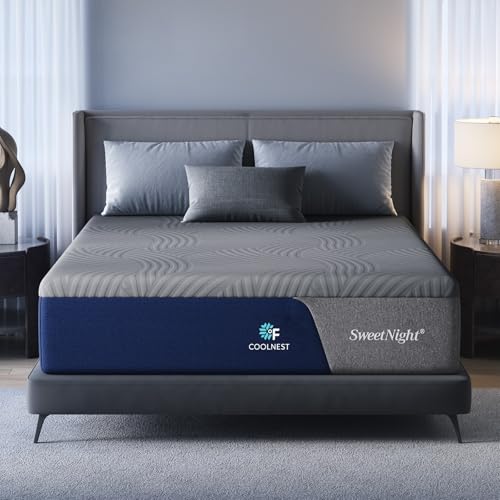
Saatva Classic
The Saatva Classic is a coil-on-coil innerspring with a dedicated Lumbar Zone layer that targets the center third of the mattress where back pain sufferers need the most reinforcement. It comes in three firmness options, and the Luxury Firm sits right around medium-firm, the range most often recommended for spinal alignment. The dual-coil design also gives it strong edge support and very little of the sinking feeling some foam beds have.
Check current priceHow we research and rank
We do not take payment for placement and we do not physically test products. Rankings come from manufacturer specifications, material certifications (CertiPUR-US foam, OEKO-TEX textiles), and the weight of aggregated verified owner reviews, analyzed for durability, heat retention and sagging. The scores in this guide are MattressVetted editorial research ratings — our assessment of the available evidence, not customer star averages. See how we rate.
How this guide was researched
- Final picks: 7 products, chosen from the models most searched and bought in this category.
- Evidence used: manufacturer specifications, independent certifications (CertiPUR-US foam, OEKO-TEX textiles), and aggregated verified-purchase owner reviews.
- Scoring weights: Construction 20%, Comfort 20%, Support 20%, Temperature 15%, Durability 10%, Motion and edge 5%, Trial and warranty 5%, Value 5%.
- Testing: we do not physically test products. Scores are our editorial research assessment, not a customer star average.
- Research reflects: July 2026.
Full method on our how we rate page.
The picks, compared
Saatva Classic
Back and combination sleepers who want firm lumbar support with a traditional feel · Type: Innerspring hybrid | Firmness: Medium-firm (Luxury Firm) | Trial: 365 nights
The Saatva Classic is a coil-on-coil innerspring with a dedicated Lumbar Zone layer that targets the center third of the mattress where back pain sufferers need the most reinforcement. It comes in three firmness options, and the Luxury Firm sits right around medium-firm, the range most often recommended for spinal alignment. The dual-coil design also gives it strong edge support and very little of the sinking feeling some foam beds have.
What owners report: Owners frequently mention waking up with less morning stiffness and credit the firmer lumbar area for keeping their spine level. A few note that the bed is heavy and that white-glove delivery, while included, can make returns feel like more of a hassle.
- Zoned lumbar support layer targets the lower back
- Three firmness choices to match body type
- Strong edge support from dual coil design
- Heavy and difficult to move once set up
- Pronounced bounce may not suit those who want a hugging feel

Helix Midnight Luxe
Side and combination sleepers with back pain who need shoulder relief · Type: Hybrid | Firmness: Medium (around 5 to 6) | Trial: 100 nights
The Helix Midnight Luxe is a medium-feel hybrid built with zoned wrapped coils that firm up under the hips and soften at the shoulders. That zoning helps side sleepers keep their spine aligned without putting pressure on the lower back. A pillow-top cover adds contouring while the coil base keeps the hips supported.
What owners report: Side sleepers report relief at the shoulders and hips and say the bed reduces the lower-back ache they had on firmer beds. Some owners with heavier builds wish it were a touch firmer, and a few mention the premium cover adds to the cost.
- Zoned coils balance shoulder relief and hip support
- Good motion isolation for couples
- Breathable cover sleeps cooler than all-foam
- May feel too soft for strict stomach sleepers
- Premium price compared with base Helix models
WinkBeds The WinkBed
Heavier and stomach sleepers who need extra firmness to prevent hip sink · Type: Hybrid | Firmness: Medium-firm to firm (multiple options) | Trial: 120 nights
The WinkBed is a hybrid that comes in multiple firmness levels, including a Firmer and a Plus option engineered for higher body weights. Its zoned coil system and reinforced lumbar area keep the hips from dropping, which is a common cause of lower back strain for larger sleepers. The Plus model adds a stronger support core for durability under more weight.
What owners report: Owners over 230 pounds often single out the Plus version for finally keeping their spine flat and easing chronic lower-back pain. Lighter sleepers occasionally find the firmer builds too rigid, and a few mention the bed runs heavy.
- Multiple firmness levels including a heavy-duty Plus
- Reinforced lumbar zone resists hip sink
- Durable coil core suited to higher body weights
- Firmer models can feel too hard for lightweight sleepers
- Heavy and awkward to maneuver

Nolah Evolution 15
Couples and combination sleepers wanting plush comfort with zoned support · Type: Hybrid | Firmness: Plush, Luxury Firm, or Firm | Trial: 120 nights
The Nolah Evolution 15 pairs a tall foam comfort system with zoned support coils that reinforce the lumbar region. It comes in Plush, Luxury Firm, and Firm, so back pain sufferers can dial in the support they need. The high-resilience foam avoids the stuck feeling of memory foam while still cushioning pressure points.
What owners report: Owners praise the balance of plush surface feel and underlying support, saying it relieves pressure without letting the hips sag. Some report the Plush version is too soft for back pain, so most lumbar-focused buyers choose Luxury Firm or Firm.
- Zoned coils add targeted lumbar reinforcement
- Three firmness options to fit different needs
- Tall profile with cooling cover and foams
- Plush version lacks support for some back pain sufferers
- Thick build needs deep-pocket sheets
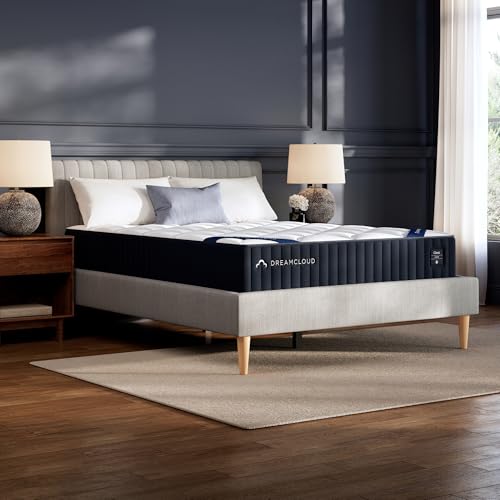
DreamCloud Hybrid
Shoppers wanting medium-firm hybrid support without a premium price · Type: Hybrid | Firmness: Medium-firm | Trial: 365 nights
The DreamCloud Hybrid offers a medium-firm feel that lands in the supportive range recommended for back pain, paired with a wrapped coil base for solid alignment. It is frequently discounted, making it one of the better-value hybrids for those who want firm lumbar support on a budget. A cashmere-blend cover adds a touch of plush comfort up top.
What owners report: Owners describe it as supportive enough to ease back stiffness while still comfortable, and many highlight the long trial period as low-risk. A few note minor off-gassing at first and say the surface feels firmer than expected for the first couple of weeks.
- Medium-firm support at an accessible price
- Long sleep trial reduces buying risk
- Sturdy coil base for spinal alignment
- Initial off-gassing smell for some owners
- Firmer than expected during the break-in period

Brooklyn Bedding Aurora Luxe
Hot sleepers with back pain who want firmness choices and cooling materials · Type: Hybrid | Firmness: Soft, Medium, or Firm | Trial: 120 nights
The Aurora Luxe is a hybrid that comes in Soft, Medium, and Firm and uses heat-conducting cover materials plus phase-change foam to stay cool. Its zoned coil unit firms up under the lumbar region to support the lower back. The Medium and Firm builds are the better fits for spinal alignment.
What owners report: Owners who sleep hot report the cooling cover makes a noticeable difference and that the Medium feel supports their back without trapping heat. Some mention the optional cooling upgrade adds cost, and a few find the Soft version unsupportive for back pain.
- Cooling cover and phase-change foam manage heat
- Three firmness options for tailored support
- Zoned coils reinforce the lower back
- Soft version too plush for back pain support
- Cooling upgrade increases the price

Zinus Green Tea Memory Foam Mattress
Budget shoppers and guest rooms wanting basic contouring support · Type: Memory foam | Firmness: Medium-firm (firmer profiles) | Trial: 100 nights (varies by seller)
The Zinus Green Tea is an affordable memory foam mattress that comes in several heights, with the firmer profiles offering better support for back pain. It contours to the body and isolates motion well, though it lacks the zoned lumbar reinforcement of pricier hybrids. It is CertiPUR-US certified for foam content and emissions.
What owners report: Budget-conscious owners are surprised by the comfort for the price and report decent back support from the firmer, thicker versions. Some note the foam softens over time and that taller, heavier sleepers may need more support than it provides long term.
- Very affordable and widely available
- CertiPUR-US certified foam
- Good motion isolation for the price
- No zoned lumbar support layer
- Foam can soften and sag over a few years
Frequently asked questions
What firmness is best for lower back pain?
Most spine-health sources point to a medium-firm feel as the safest starting point for back pain. It keeps the hips from sinking too far while still cushioning pressure points. Heavier sleepers often need firmer support, while lighter side sleepers may prefer something slightly softer.
Is a hybrid or memory foam mattress better for back pain?
Hybrids with zoned coils tend to offer the targeted lumbar support that back pain sufferers benefit from, plus better edge support. Memory foam can relieve pressure but may let the hips sink without a firm support core. Many back pain shoppers do best with a medium-firm hybrid.
Can a new mattress actually reduce back pain?
A supportive mattress that keeps your spine in neutral alignment can reduce the morning stiffness that comes from poor support. It is not a medical treatment, so persistent or severe pain should be evaluated by a doctor. Owners often report meaningful relief after switching from a sagging or overly soft bed.
How long before a new mattress helps my back?
Most mattresses need two to four weeks of break-in as the foams settle and your body adjusts. Many brands set their trial periods at 100 nights or more for this reason. If your back pain has not improved after the adjustment window, the firmness may be wrong for you.
Does mattress firmness depend on my sleeping position?
Yes. Back and stomach sleepers usually need firmer support to keep the spine flat, while side sleepers need a little more give at the shoulders and hips. Combination sleepers often land best on a medium-firm bed that balances both needs.
The verdict
For most lower back pain sufferers, the Saatva Classic is our overall winner thanks to its zoned lumbar layer, medium-firm support, and three firmness options. Side sleepers who need more shoulder relief should look at the Helix Midnight Luxe, while heavier or stomach sleepers will be better served by the firmer, reinforced WinkBed. Match the firmness to your weight and sleep position and use the trial period to confirm it eases your back.

