Based on specs, materials, and owner feedback, the Saatva Classic is our overall pick for sag resistance thanks to its dual-coil support and reinforced edges. If you prefer all-foam, the Helix Midnight Luxe is a strong alternative with durable high-density layers.
Sagging is the complaint we see most often in long-term mattress reviews, and it usually traces back to a few measurable factors: coil gauge, foam density, edge support, and overall build quality. We compared the leading sag-resistant mattresses by digging into their construction specs, certifications like CertiPUR-US, and what owners report after one, three, and five years of use. We do not physically test these beds, so everything here is grounded in published materials and durability patterns.
For this roundup we prioritized mattresses with higher-density foams (typically above 1.8 PCF in support layers), thicker-gauge coils, reinforced perimeters, and warranties that hold the maker accountable for sagging beyond a defined depth. The result is seven options that owners consistently say hold their shape, ranked with the most reliable overall winner first.
Saatva Classic
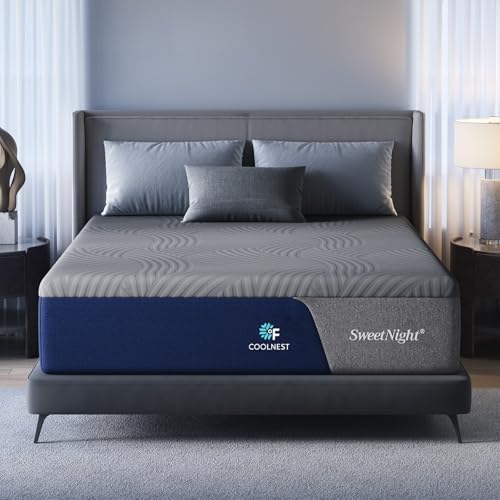
The Saatva Classic uses a dual-coil design with a tempered steel base layer and a comfort coil unit on top, which spreads weight and resists body impressions. Its high-density foam edge rails reinforce the perimeter, a common weak point where sagging starts. Owners frequently cite its hotel-like durability as the reason it ranks at the top.
Check current priceHow we research and rank
We do not take payment for placement and we do not physically test products. Rankings come from manufacturer specifications, material certifications (CertiPUR-US foam, OEKO-TEX textiles), and the weight of aggregated verified owner reviews, analyzed for durability, heat retention and sagging. The scores in this guide are MattressVetted editorial research ratings — our assessment of the available evidence, not customer star averages. See how we rate.
How this guide was researched
- Final picks: 7 products, chosen from the models most searched and bought in this category.
- Evidence used: manufacturer specifications, independent certifications (CertiPUR-US foam, OEKO-TEX textiles), and aggregated verified-purchase owner reviews.
- Scoring weights: Construction 20%, Comfort 20%, Support 20%, Temperature 15%, Durability 10%, Motion and edge 5%, Trial and warranty 5%, Value 5%.
- Testing: we do not physically test products. Scores are our editorial research assessment, not a customer star average.
- Research reflects: July 2026.
Full method on our how we rate page.
The picks, compared
Saatva Classic
Sleepers who want long-term support and reinforced edges across all sleep positions · Type: Innerspring hybrid | Firmness: Choice of three | Trial: 365 nights
The Saatva Classic uses a dual-coil design with a tempered steel base layer and a comfort coil unit on top, which spreads weight and resists body impressions. Its high-density foam edge rails reinforce the perimeter, a common weak point where sagging starts. Owners frequently cite its hotel-like durability as the reason it ranks at the top.
What owners report: Owners report the bed holds firm for years without the center dip that plagues cheaper innersprings. A handful note the coil-on-coil feel is firmer than expected, even on the plush option.
- Dual-coil system spreads weight and limits body impressions
- Reinforced foam edge rails resist perimeter sag
- Strong long-term durability reports from owners
- Heavier and harder to move than foam beds
- Plush options can still feel firm to lighter sleepers

Helix Midnight Luxe
Side and combination sleepers who want foam comfort with coil-backed durability · Type: Hybrid | Firmness: Medium-firm | Trial: 100 nights
The Midnight Luxe pairs zoned individually-wrapped coils with high-density base foam, giving it the structure that all-foam beds often lack over time. The zoned support targets the hips and shoulders, which helps prevent the uneven wear that leads to localized sagging. Its reinforced perimeter adds to the sturdy feel owners describe.
What owners report: Owners say the bed keeps its shape well past the two-year mark where foam beds often soften. Some mention the pillow top compresses slightly but the coil core stays supportive.
- Zoned coils target high-pressure areas and even out wear
- High-density base foam resists long-term softening
- Reinforced edges hold up to sitting
- Premium pricing tier
- Pillow top may feel too plush for strict stomach sleepers
WinkBed (Luxury Firm)
Back and stomach sleepers and heavier bodies needing strong, durable support · Type: Hybrid | Firmness: Luxury firm | Trial: 120 nights
The WinkBed combines a Tencel cover, a foam comfort layer, and a triple-zoned coil system over a support coil base, built specifically with longevity in mind. Its extra-edge support coils and higher-gauge steel resist the sagging that heavier sleepers often trigger. The brand also offers a dedicated firmer model for larger bodies.
What owners report: Owners consistently describe it as one of the most supportive beds they have owned, with little to no sag after years of use. A few wish the comfort layer were a touch softer for side sleeping.
- Triple-zoned coil system distributes weight evenly
- Extra-firm and heavy-duty options for larger bodies
- Owners report minimal sag long term
- Firmer feel is not ideal for lightweight side sleepers
- On the heavier side to rotate

Titan Plus by Brooklyn Bedding
Heavier sleepers wanting durable support without a premium price · Type: Hybrid | Firmness: Firm | Trial: 120 nights
The Titan Plus is engineered for higher body weights with a TitanFlex foam comfort layer and Ascension coils designed to resist deep compression. Its reinforced support is the kind of build that typically prevents the center sag heavier sleepers see in standard mattresses. Owners appreciate the firm, stable feel at an accessible price.
What owners report: Owners over 230 pounds frequently report it holds up where past mattresses failed within a year. Some lighter sleepers find it too firm for their liking.
- Built specifically for heavier sleepers and durability
- Sturdy coil system limits center sag
- Strong value for its support level
- Too firm for many lightweight sleepers
- Limited firmness customization
Tempur-Pedic TEMPUR-Adapt
Side sleepers who want contouring memory foam that resists impressions · Type: Memory foam | Firmness: Medium | Trial: 90 nights
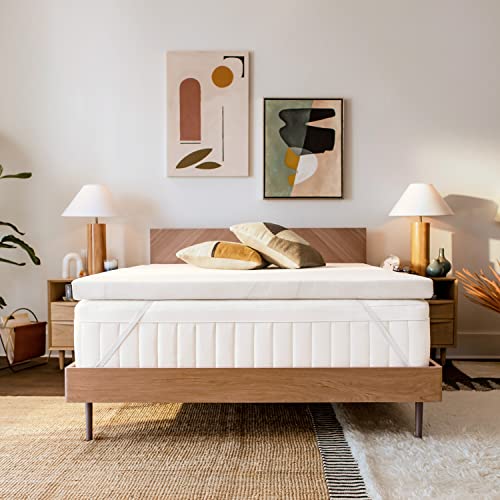
The TEMPUR-Adapt uses Tempur-Pedic's proprietary high-density foam, which is denser than most memory foams and known for resisting permanent body impressions. That density is the main reason these beds tend to outlast cheaper foam rivals before showing sag. The contouring feel suits side sleepers seeking pressure relief.
What owners report: Owners often report the foam keeps its shape for many years, a notable contrast to budget foam beds. The trade-off some mention is heat retention and a slow-response sink.
- Dense proprietary foam resists permanent impressions
- Excellent contouring for side-sleeper pressure relief
- Long-standing brand durability reputation
- Can sleep warm for some owners
- Slow-response feel is not for everyone
Nectar Premier Hybrid
Hot sleepers who want a cooler surface backed by coil durability · Type: Hybrid | Firmness: Medium-firm | Trial: 365 nights
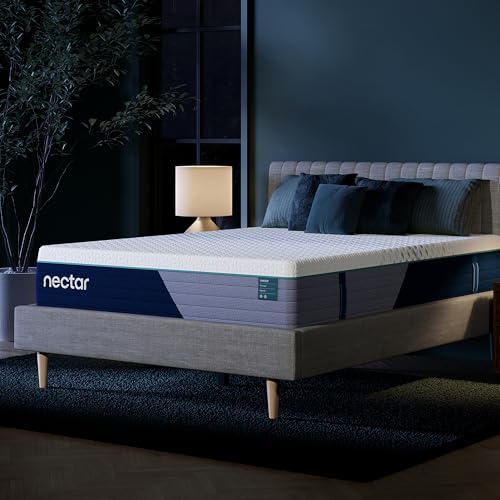
The Nectar Premier Hybrid layers cooling cover materials and gel-infused foam over a wrapped-coil base, blending temperature regulation with the structure coils provide. The coil core gives it better long-term shape retention than Nectar's all-foam models. Its perimeter coils add edge stability that owners value.
What owners report: Owners report cooler nights and steady support, with the hybrid version holding up better than the original foam Nectar. Some note the comfort layer softens slightly over the first year.
- Coil core improves shape retention over all-foam versions
- Cooling cover and gel foam help hot sleepers
- Edge coils add perimeter stability
- Comfort layer may soften somewhat early on
- Longer trial requires a break-in period

Zinus Green Tea Memory Foam
Budget shoppers and guest rooms wanting decent support for the price · Type: Memory foam | Firmness: Medium-firm | Trial: 100 nights
The Zinus Green Tea uses CertiPUR-US certified foams with a high-density base layer that gives it more structure than many bargain mattresses. It will not match premium beds for longevity, but its base density helps it resist sag better than the cheapest options. It is a sensible pick for lighter use and guest rooms.
What owners report: Owners are largely satisfied for the price, noting it stays supportive for a couple of years under moderate use. Heavier sleepers and daily-use owners more often report eventual softening.
- CertiPUR-US certified foams
- Higher base density than most budget beds
- Strong value for guest rooms and light use
- Less durable than premium options under heavy daily use
- Foam can soften faster for heavier sleepers
Frequently asked questions
What causes a mattress to sag?
Sagging is usually caused by low-density foams compressing over time or thin coils losing their resilience under repeated weight. Edge support and overall build quality also play a big role. Higher-density foams and thicker-gauge coils resist sag much longer.
Does foam density really matter for preventing sag?
Yes. Support layers above roughly 1.8 PCF and comfort foams above 4 PCF tend to hold their shape far longer than low-density alternatives. Density is one of the most reliable predictors of how long a mattress will resist body impressions.
Are hybrid mattresses more sag-resistant than all-foam ones?
Generally, hybrids with quality wrapped coils retain their shape better than all-foam beds, especially for heavier sleepers. The coil core provides structural support that foam alone can lose over time. That said, a high-density all-foam bed can still last well.
How can a warranty help against sagging?
Many warranties cover sagging that exceeds a defined depth, often around one inch, without any added weight on the bed. Reading the sag threshold in the warranty tells you how much the maker stands behind durability. Lower covered depths signal more confidence.
Does using a proper foundation prevent sagging?
It can. A slatted base with gaps too wide or a worn box spring lets the mattress dip between supports. Using a sturdy, properly spaced foundation helps the mattress wear evenly and slows the onset of sag.
The verdict
For most people the Saatva Classic is our overall winner, combining a dual-coil core and reinforced edges that owners say hold their shape for years. Heavier sleepers and those who want extra firmness should look at the WinkBed Luxury Firm or the Titan Plus for built-in durability. Side sleepers who prefer foam will be best served by the Tempur-Pedic TEMPUR-Adapt, whose dense foam resists impressions.