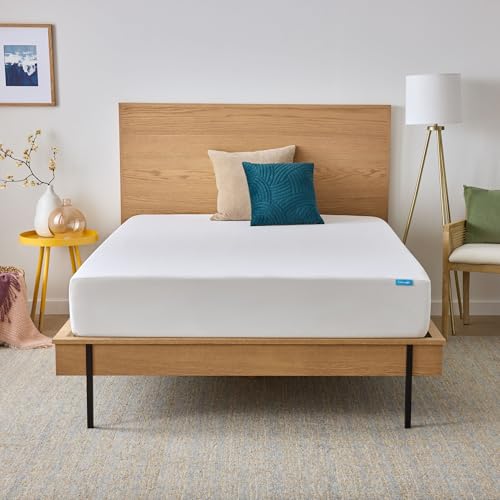
After comparing specs, materials, and owner feedback, the DreamCloud Premier Hybrid is our overall pick for sleeping cool thanks to its coil-and-foam airflow and gel cover. Hot side sleepers who want more contour should look at the Brooklyn Bedding Aurora Luxe instead.
If you sleep hot, the wrong mattress can trap body heat all night and leave you flipping the pillow at 3 a.m. We compared cooling claims across popular models, looking at construction type, gel and phase-change cover materials, coil airflow, and the patterns owners report in long-term reviews. We do not physically test mattresses, so every conclusion here is based on published specs, third-party certifications, and verified owner feedback.
Hybrids with pocketed coils tend to run cooler than all-foam beds because air moves freely through the coil layer, while specialty covers using phase-change material help pull heat off the skin. Below are seven mattresses that consistently show up as cooler-sleeping options, ranked by how well their materials and owner reports line up with real heat management rather than marketing language.
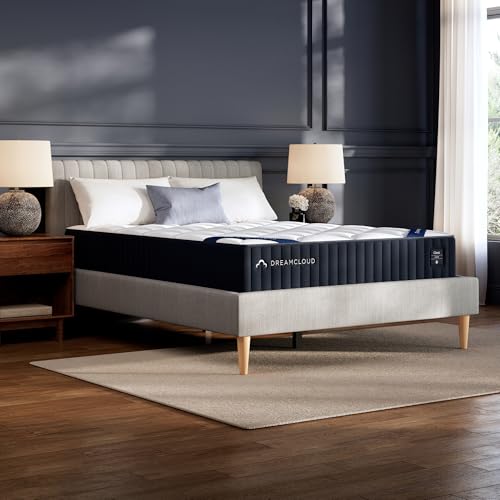
DreamCloud Premier Hybrid
The DreamCloud Premier pairs a gel-infused memory foam comfort layer with a tall pocketed-coil base, so heat has a clear path to escape. The cashmere-blend cover adds a cool-to-the-touch surface that owners frequently mention on first contact. Its medium-firm feel suits back and combination sleepers who run warm.
Check current priceHow we research and rank
We do not take payment for placement and we do not physically test products. Rankings come from manufacturer specifications, material certifications (CertiPUR-US foam, OEKO-TEX textiles), and the weight of aggregated verified owner reviews, analyzed for durability, heat retention and sagging. The scores in this guide are MattressVetted editorial research ratings — our assessment of the available evidence, not customer star averages. See how we rate.
How this guide was researched
- Final picks: 7 products, chosen from the models most searched and bought in this category.
- Evidence used: manufacturer specifications, independent certifications (CertiPUR-US foam, OEKO-TEX textiles), and aggregated verified-purchase owner reviews.
- Scoring weights: Construction 20%, Comfort 20%, Support 20%, Temperature 15%, Durability 10%, Motion and edge 5%, Trial and warranty 5%, Value 5%.
- Testing: we do not physically test products. Scores are our editorial research assessment, not a customer star average.
- Research reflects: July 2026.
Full method on our how we rate page.
The picks, compared
DreamCloud Premier Hybrid
Most hot sleepers who want a balanced medium-firm feel · Type: Hybrid | Firmness: Medium-firm (6.5/10) | Trial: 365 nights
The DreamCloud Premier pairs a gel-infused memory foam comfort layer with a tall pocketed-coil base, so heat has a clear path to escape. The cashmere-blend cover adds a cool-to-the-touch surface that owners frequently mention on first contact. Its medium-firm feel suits back and combination sleepers who run warm.
What owners report: Owners regularly note the bed sleeps noticeably cooler than the all-foam beds they replaced. A minority of heavier sleepers say the comfort layer softens over time, slightly reducing edge support.
- Pocketed coils promote strong airflow
- Cool-to-touch cashmere-blend cover
- Long sleep trial reduces buying risk
- Heavier sleepers may want more support
- Medium-firm may feel too firm for strict side sleepers

Brooklyn Bedding Aurora Luxe
Side and combination sleepers who run very hot · Type: Hybrid | Firmness: Soft, Medium, or Firm | Trial: 120 nights
The Aurora Luxe is built around copper-infused and phase-change cooling foams over individually encased coils, a stack designed specifically to wick heat. Owners who describe themselves as extreme hot sleepers report the most consistent relief from this model. It comes in soft, medium, and firm so you can match it to your sleeping position.
What owners report: Reviewers who switched from other foam beds describe a clear drop in night sweats and overheating. Some owners say the cooling cover feels firmer than expected until the foam warms slightly.
- Phase-change cover targets heat directly
- Three firmness options
- Copper-infused foam for extra heat transfer
- Premium build costs more than basic hybrids
- Soft option may lack support for heavier backs
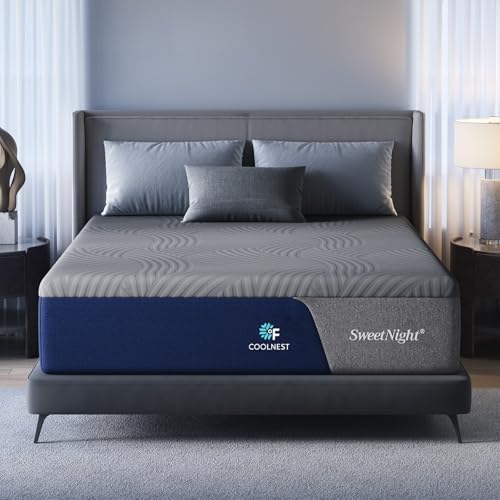
Saatva Classic
Side sleepers who want cooling plus a luxury innerspring feel · Type: Innerspring | Firmness: Plush Soft, Luxury Firm, or Firm | Trial: 365 nights
The Saatva Classic uses a coil-on-coil design with a breathable organic cotton cover, giving it strong airflow without any sink-in foam feel. The Euro pillow top cushions shoulders and hips for side sleepers while the dual coil layers keep heat moving. Three firmness levels let you tune the feel.
What owners report: Owners consistently praise how breathable and traditional it feels compared with foam beds. A few note the bed is heavy and requires the included white-glove delivery to set up.
- Dual-coil design maximizes airflow
- Breathable organic cotton cover
- Three firmness levels available
- Heavy and hard to move alone
- Innerspring bounce is not for foam-feel fans

Helix Midnight Luxe
Side sleepers wanting contour without trapping heat · Type: Hybrid | Firmness: Medium (6/10) | Trial: 100 nights
The Midnight Luxe combines zoned pocketed coils with a breathable Tencel cover and optional GlacioTex cooling upgrade for extra heat pull. The zoned support gives pressure relief at the shoulders while keeping the hips lifted. It targets side and combination sleepers who found pure foam beds too warm.
What owners report: Owners report a good mix of contouring and coolness, with many calling out the Tencel cover as a meaningful upgrade. Some say the standard cover runs only moderately cool unless you add the GlacioTex option.
- Zoned coils balance support and pressure relief
- Breathable Tencel cover
- Optional cooling cover upgrade
- Top cooling performance requires paid upgrade
- Edge support is average
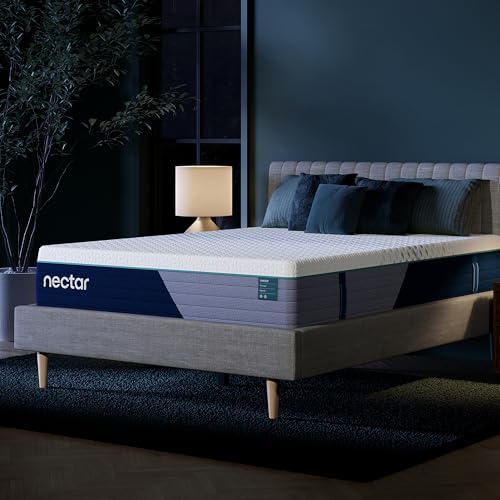
Nectar Premier Copper Hybrid
Budget-minded shoppers who still want active cooling · Type: Hybrid | Firmness: Medium-firm (6/10) | Trial: 365 nights
The Nectar Premier Copper Hybrid adds copper-infused foam and a cooling cover to Nectar's well-known memory foam feel, then sits it on coils for airflow. It delivers a deeper hug than most hybrids here while still moving heat away. Frequent sales make it one of the more affordable copper-cooling options.
What owners report: Owners coming from older foam Nectar beds report a real improvement in temperature regulation. A few deep-foam sleepers say it still feels warmer than a true innerspring on the hottest nights.
- Copper foam plus coils for cooling
- Classic memory foam contour
- Long trial and strong warranty
- Foam hug can feel warmer than coil-heavy beds
- Slower response when changing positions
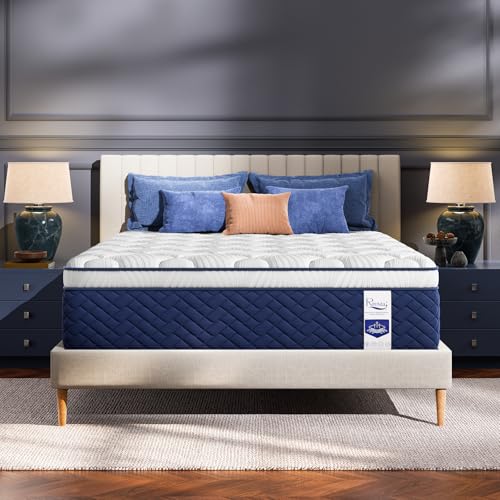
Bear Elite Hybrid
Back and stomach sleepers and active people wanting a firmer cool bed · Type: Hybrid | Firmness: Medium, Luxury Firm options | Trial: 120 nights
The Bear Elite Hybrid uses a phase-change Celliant cover and copper-infused foam over reinforced coils, aimed at people who want firm support and heat recovery. The firmer build keeps you on top of the surface, which improves airflow for hot back sleepers. It is a common pick among athletes and heavier sleepers.
What owners report: Owners describe strong support and a cool, lifted feel that suits firmer-mattress preferences. Some lighter side sleepers find the firm option too rigid at the shoulders.
- Phase-change cover for heat recovery
- Firm support keeps you on top for airflow
- Strong edge support
- Too firm for many side sleepers
- Celliant comfort claims are marketing-driven

Zinus Cooling Essential Green Tea Foam Mattress
Spare rooms and shoppers on a tight budget who want basic cooling · Type: All-foam | Firmness: Medium (5.5/10) | Trial: 100 nights
The Zinus Cooling Essential uses gel-infused green tea memory foam to offer modest heat management at an entry-level price. It is an all-foam bed, so it will not match the airflow of the hybrids above, but the gel layer helps it sleep cooler than plain memory foam. It ships compressed in a box for easy setup.
What owners report: Owners say it sleeps cooler than expected for the price, especially in guest rooms and lighter-use settings. Several note it is softer and less supportive than premium beds and best for lighter sleepers.
- Very affordable entry point
- Gel-infused foam improves cooling over basic foam
- Easy boxed delivery and setup
- All-foam build runs warmer than hybrids
- Less durable and supportive than premium models
Frequently asked questions
What type of mattress sleeps the coolest?
Hybrids and innersprings with pocketed coils generally sleep coolest because air moves freely through the coil layer. All-foam beds trap more body heat unless they use gel, copper, or phase-change materials to offset it.
Do cooling covers and phase-change materials actually work?
Phase-change covers can genuinely feel cool to the touch and help pull heat off your skin when you first lie down. They are most effective in combination with airflow from coils, and the cooling sensation lessens once the surface warms to body temperature.
Is memory foam bad for hot sleepers?
Traditional memory foam softens with heat and can trap warmth, which is why dense foam beds feel hot to some people. Gel-infused and copper-infused foams improve this, but pairing foam with coils in a hybrid is usually the better fix for hot sleepers.
What firmness is best if I overheat at night?
A medium-firm feel often sleeps cooler than a plush one because you rest more on top of the surface rather than sinking in, which improves airflow around your body. Side sleepers who need contour can still stay cool by choosing a hybrid with breathable foams.
Can bedding affect how cool a mattress feels?
Yes, breathable sheets in cotton, linen, or Tencel make a noticeable difference and can offset some heat from a warmer mattress. Heavy synthetic sheets and thick mattress protectors can undo the cooling benefits of an otherwise breathable bed.
The verdict
Based on construction, cooling materials, and owner reports, the DreamCloud Premier Hybrid is our overall pick for staying cool thanks to its coil airflow and cool-to-touch cover. If you run extremely hot and sleep on your side, the Brooklyn Bedding Aurora Luxe with its phase-change foams is the stronger choice. Shoppers on a tight budget who still want some cooling should consider the Zinus Cooling Essential Green Tea foam mattress.