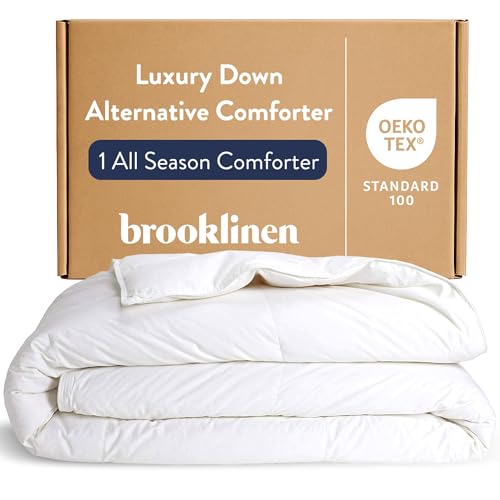
The practical difference is that a duvet is a plain, removable insert designed to go inside a washable cover, while a comforter is a one-piece, pre-filled bed topper with a sewn-in decorative shell. Duvets offer easier cleaning and style changes; comforters are simpler to use but harder to wash.
Why the confusion exists
Retailers and manufacturers often use the terms interchangeably, which muddles the shopping experience. Both are fluffy, blanket-like layers meant to sit on top of your sheets. But their construction and daily use differ significantly. A duvet system has two parts: the insert (the fluffy inner blanket) and the cover (a removable, washable shell). A comforter is one integrated piece, with the fill locked inside a permanently attached outer fabric.
How to tell which one you have
- Look for a closure. If the bedding has buttons, ties, or a zipper along one edge, it is a duvet cover with an insert inside. No closure means it is a comforter.
- Check the care tag. A duvet insert will often say “spot clean only” or “dry clean,” while the cover will say “machine wash.” A comforter usually says “machine wash” but may warn about shrinking or lumping.
- Feel the corners. Duvet covers typically have internal corner ties or loops to keep the insert in place. Comforters do not have these.
- Examine the surface. Comforters often have stitched patterns, baffles, or sewn-through boxes that hold the fill in place permanently. Duvet inserts may be plain white or cream with minimal quilting.
What to do: choose based on your real needs
Pick a duvet system if you:
- Want to change your bedroom style without buying a whole new blanket. Just swap the duvet cover.
- Need easy, frequent washing. Duvet covers zip off and go in the machine; the insert gets cleaned far less often.
- Prefer a hotel-style, fluffy look. Duvets tend to be lighter and loftier than most comforters.
Pick a comforter if you:
- Want a one-and-done purchase. No cover to buy or wrestle with.
- Prefer a bed that makes itself. Comforters are often stiffer and hold their shape better when you pull them up.
- Have a limited budget. A decent comforter costs less than a quality duvet insert plus a cover.
Common mistakes people make
- Buying a duvet insert that is too small. A duvet insert should be at least the same size as your cover, ideally 2 to 4 inches larger in width and length to prevent shifting.
- Forgetting the cover. A duvet insert without a cover looks like a plain, lumpy mattress pad and is hard to clean. The cover is not optional.
- Machine washing a comforter too often. Frequent washing breaks down the fill and can cause clumping. Use a duvet cover over your comforter to protect it, just like you would with a duvet insert.
- Confusing fill power with warmth. High fill power (600+) means more loft and better insulation for the weight, but a high fill power duvet can still be lightweight and cool. Warmth depends on the fabric and fill material, not just the number.
Quick comparison table
| Feature | Duvet (with cover) | Comforter |
|---|---|---|
| Number of pieces | Two (insert + cover) | One |
| Washing | Cover washes easily; insert rarely | Whole piece must fit in washer |
| Style changes | Swap cover for new look | Buy whole new comforter |
| Initial cost | Higher (insert + cover) | Lower |
| Long-term cost | Lower (cover protects insert) | Higher (replacement needed sooner) |
| Ease of making bed | Moderate (fluffing insert needed) | Easy (holds shape) |
When a new mattress makes sense
Your bedding choice can affect how your mattress feels. If you sleep hot, a heavy comforter can trap body heat, making even a cooling mattress feel stuffy. A lightweight duvet insert with a breathable cotton cover lets your mattress’s cooling properties work. Conversely, if your mattress sleeps cold, a thick, dense comforter can add warmth without needing extra blankets. If you are buying a new mattress, consider your bedding system as part of the overall sleep setup. A good sheet set also matters for temperature regulation and comfort under either a duvet or comforter.
Frequently asked questions
Can I use a comforter as a duvet insert?
Technically yes, but it is not ideal. Comforters lack the corner loops or ties that keep duvet covers in place, so the comforter will slide around inside the cover and bunch up. You will spend more time straightening it than sleeping.
Which is better for hot sleepers?
A duvet system is usually better. You can choose a lightweight, breathable insert (like down alternative or cotton) and a thin, natural-fiber cover. Comforters tend to be heavier and less adjustable. For more options, check out our comforter guide for lightweight picks or duvet recommendations for cooling inserts.
Do I need a duvet cover if I have a comforter?
No, but using one can protect your comforter from dirt, sweat, and pet hair, making it last longer. A duvet cover turns a comforter into a washable system. Just be sure to measure your comforter first, as oversized covers may look baggy.