Based on specs, certifications, and owner feedback, the Tempur-Pedic Tempur-ProAdapt is our overall winner for its proven pressure relief and durable proprietary foam. If you want similar contouring at a lower entry point, the GhostBed Flex hybrid is the smarter value alternative.
GhostBed and Tempur-Pedic both sell memory foam mattresses, but they take very different routes to comfort. We compared their flagship lineups using published specs, foam densities, certifications like CertiPUR-US, trial periods, and recurring themes in verified owner reviews. Neither brand is physically tested by us, so every claim below comes from documented materials and what owners consistently report.
Tempur-Pedic built its reputation on dense, slow-responding TEMPUR foam that excels at pressure relief, while GhostBed leans into cooling layers and hybrid coil support at a more accessible price. This ranking blends models from both brands so you can match firmness, sleep position, and budget to the right bed rather than picking by name alone.

Tempur-Pedic Tempur-ProAdapt
The Tempur-ProAdapt uses dense proprietary TEMPUR-APR foam that contours closely to the body and is widely cited for relieving hip and shoulder pressure. Owners describe a slow, cradling response that suits back and side sleepers who like to sink in. The medium model is the most balanced of the firmness options.
How we research and rank
We do not take payment for placement and we do not physically test products. Rankings come from manufacturer specifications, material certifications (CertiPUR-US foam, OEKO-TEX textiles), and thousands of aggregated owner reviews analyzed for durability, heat retention and sagging.
The picks, compared
Tempur-Pedic Tempur-ProAdapt
Sleepers who want deep pressure relief and long-term durability · Type: Memory foam | Firmness: Medium (5-6/10) | Trial: 90 nights
The Tempur-ProAdapt uses dense proprietary TEMPUR-APR foam that contours closely to the body and is widely cited for relieving hip and shoulder pressure. Owners describe a slow, cradling response that suits back and side sleepers who like to sink in. The medium model is the most balanced of the firmness options.
What owners report: Owners frequently note excellent motion isolation and lasting support even after years of use. A recurring complaint is that the foam can feel firmer in cold rooms until it warms up.
- Proven, durable high-density TEMPUR foam
- Strong motion isolation for couples
- Multiple firmness options available
- Premium pricing relative to rivals
- Slow response can feel like sinking for some

GhostBed Flex
Shoppers wanting hybrid contouring and bounce without a premium price · Type: Hybrid (foam + coils) | Firmness: Medium-firm (6.5/10) | Trial: 101 nights
The GhostBed Flex is a hybrid that pairs gel memory foam with individually wrapped coils for support and airflow. We found its medium-firm feel sits between traditional memory foam and a springier hybrid, which suits combination sleepers. It offers more responsiveness than all-foam Tempur-Pedic models.
What owners report: Owners report a cooler sleep surface than older all-foam beds and appreciate the edge support from the coil unit. Some reviewers mention an initial off-gassing smell that fades within a few days.
- Hybrid coils add support and airflow
- More affordable than comparable Tempur-Pedic beds
- Responsive feel for combination sleepers
- Less deep contouring than dense memory foam
- Initial off-gassing reported by some owners
GhostBed Luxe
Hot sleepers who want a noticeably cool foam surface · Type: Memory foam | Firmness: Medium (5/10) | Trial: 101 nights
The GhostBed Luxe is built around the brand's Ghost Ice cooling cover and phase-change materials designed to pull heat away from the body. Among the all-foam options we compared, it is the one owners most associate with sleeping cool. It still delivers memory foam contouring for side and back sleepers.
What owners report: Owners consistently praise how cool the surface feels to the touch and during the night. A few note it runs softer than expected, so heavier sleepers may want firmer support.
- Strong cooling cover and phase-change layers
- Good contouring for side sleepers
- Generous sleep trial
- Softer feel may lack support for heavier bodies
- All-foam build has limited bounce
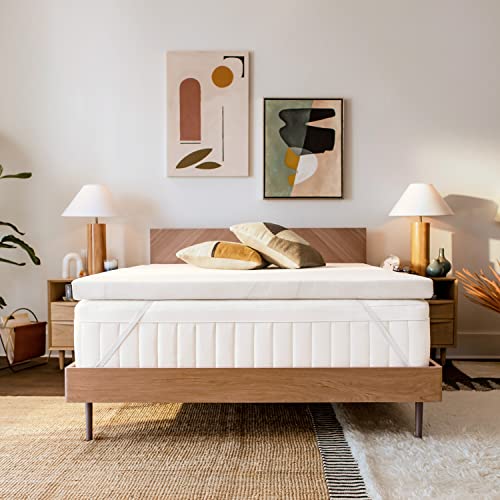
Tempur-Pedic Tempur-Adapt
Side sleepers needing shoulder and hip pressure relief · Type: Memory foam | Firmness: Medium (5/10) | Trial: 90 nights
The Tempur-Adapt is Tempur-Pedic's entry model and still uses signature TEMPUR comfort foam that cradles pressure points. Owners with side-sleeping preferences report relief at the shoulders and hips thanks to the close contour. It is a simpler, slightly more affordable way into the brand's feel.
What owners report: Side sleepers often report reduced numbness and shoulder pain after switching to it. Some owners say it sleeps warmer than the cooling-focused models, which is worth noting for hot sleepers.
- Excellent pressure relief for side sleepers
- Lower entry price into the TEMPUR lineup
- Strong motion isolation
- Can sleep warm compared with cooling models
- Less responsive for stomach sleepers

GhostBed Classic
Buyers wanting memory foam comfort at the lowest GhostBed price · Type: Memory foam (with latex layer) | Firmness: Medium-firm (7/10) | Trial: 101 nights
The GhostBed Classic is the brand's original all-foam mattress, pairing a latex-style comfort layer with gel memory foam. It lands on the firmer side, which owners find supportive for back and stomach sleeping. It is the most budget-friendly model in this comparison.
What owners report: Owners describe it as firmer than typical memory foam, which several prefer for back support. The most common critique is that lighter side sleepers may want a softer surface.
- Lowest price among the models compared
- Firm, supportive feel for back sleepers
- Latex layer adds slight bounce
- Too firm for some lighter side sleepers
- Less contouring than dense memory foam

Tempur-Pedic Tempur-ProAdapt Firm
Back and stomach sleepers who want firm support with TEMPUR feel · Type: Memory foam | Firmness: Firm (7.5/10) | Trial: 90 nights
The firm version of the Tempur-ProAdapt keeps the dense TEMPUR-APR foam but tunes it for a flatter, more supportive surface. Owners who sleep on their back or stomach report better spinal alignment than they get from softer foam beds. It still isolates motion well for shared beds.
What owners report: Owners report it holds up firm over time without a deep body impression. Some side sleepers find it too rigid at the shoulders, so firmness preference matters here.
- Firm support suits back and stomach sleepers
- Durable, high-density TEMPUR foam
- Strong motion isolation
- Too firm for many side sleepers
- Premium price point

Tempur-Pedic Tempur-Breeze ProAdapt
Owners wanting TEMPUR contouring with added cooling technology · Type: Memory foam with cooling layers | Firmness: Medium (5-6/10) | Trial: 90 nights
The Tempur-Breeze ProAdapt layers cooling materials over the brand's adaptive TEMPUR foam to address its tendency to retain heat. Owners report it sleeps cooler than standard Tempur-Pedic models while keeping the signature cradling feel. It is the priciest option here but targets hot sleepers who still want deep contour.
What owners report: Owners say the cooling layers make a real difference compared with non-Breeze models. The most common feedback is that the cooling benefit comes at a steep price.
- Cooling tech tackles foam heat retention
- Signature TEMPUR pressure relief
- Good motion isolation for couples
- Highest price in this comparison
- Heavy and difficult to move alone
Frequently asked questions
Is GhostBed or Tempur-Pedic better for back pain?
Both can help, but for different reasons. Tempur-Pedic's dense foam offers close contouring that many back-pain sufferers report relieves pressure, while GhostBed's hybrid and firmer models provide more support for those who prefer a flatter surface. Your sleep position and weight matter more than the brand.
Which brand sleeps cooler?
GhostBed generally markets cooling more heavily, and the GhostBed Luxe is widely reported by owners to feel cool to the touch. Tempur-Pedic's standard foam can retain heat, though its Breeze line adds cooling materials to close that gap at a higher price.
Are GhostBed and Tempur-Pedic mattresses certified for safety?
Both brands use foams that carry CertiPUR-US certification, meaning the foams are made without certain restricted chemicals and tested for emissions. Always confirm the specific model's certification on the manufacturer's product page before buying.
How long do these mattresses last?
Owners commonly report Tempur-Pedic models holding their feel for many years thanks to high-density foam, and the brand offers a long warranty. GhostBed beds are also generally durable, though all-foam models can soften over time depending on body weight and use.
Do both brands offer a sleep trial?
Yes. GhostBed typically offers a 101-night trial on its mattresses, while Tempur-Pedic commonly offers a 90-night trial. Check return shipping terms and any restocking conditions on the official site before purchasing.
The verdict
After comparing specs, certifications, and owner feedback, the Tempur-Pedic Tempur-ProAdapt is our overall winner for its durable high-density foam and consistent pressure relief. Hot sleepers who still want close contouring should look at the GhostBed Luxe for its cooling cover. Budget-focused buyers who want hybrid support and bounce will be best served by the GhostBed Flex.

