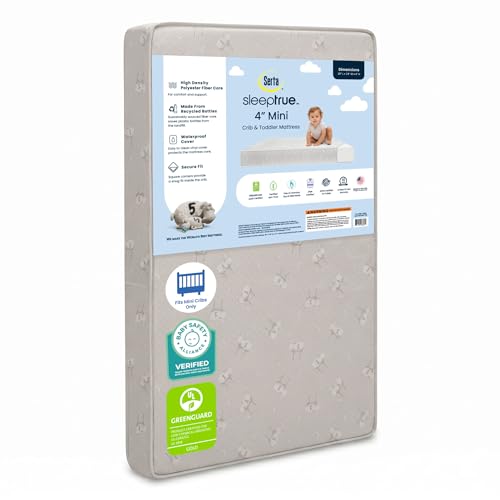
Yes, most mattresses become softer over time as the support layers and comfort foams compress from regular use. This is normal during the break-in period, but a mattress that sags or dips significantly has worn out. How quickly this happens depends on the mattress type, materials, and your sleeping habits.
Why it happens
All mattresses soften with age, but the rate varies by construction. Here is why it happens:
- Foam breakdown. Polyurethane and memory foam cells collapse after repeated pressure, losing their original resilience. This is called “viscoelastic fatigue.”
- Coil fatigue. In innerspring and hybrid mattresses, pocket coils can lose tension over thousands of compressions, creating soft spots.
- Material settling. Latex and high-density foams resist softening longer, but even they compact after years of use.
- Break-in period vs. wear. A new mattress often softens in the first 30 to 90 days as the foam adapts to your body. That is normal. After that, further softening signals material degradation.
How to check
Use these simple tests to tell if your mattress is softening normally or wearing out:
- The 6-inch rule. Place a straight edge (like a level or yardstick) across the mattress surface. If you see a gap of 6 inches or deeper, the support core has failed.
- Stand test. Stand in the middle of the mattress. If you feel the layers compress unevenly or you sink more than 2 to 3 inches, the foam is losing support.
- Sleep check. Wake up with back pain, hip soreness, or a feeling of “hammocking” in the middle? That is a sign the mattress is too soft from wear.
- Visual check. Remove all bedding and look for permanent body impressions deeper than 1.5 inches. Most warranties cover indentations past that depth.
What to do
If your mattress is softening but not yet sagging, you can try these steps before replacing it:
- Rotate or flip. Rotating a non-flippable mattress 180 degrees every 3 to 6 months spreads wear. If it is flippable, flipping it gives you a fresh side.
- Use a mattress topper. A high-density latex or memory foam topper can add 2 to 3 inches of support and delay replacement for a year or two.
- Check the foundation. A weak or bowed box spring makes any mattress feel softer. Replace it if the slats are more than 3 inches apart.
- Break it in properly. If the mattress is new (under 90 days), walk on it gently or use it nightly to let the foam soften evenly. Read our mattress break in time guide for more.
- Give it time to expand. If it is a bed-in-a-box that still feels uneven, see our guide on memory foam mattress not expanding.
Common mistakes
- Confusing break-in with wear. A new mattress that feels firmer than expected will soften in the first month. That is normal, not a defect. Do not rush to add a topper or return it.
- Skipping the foundation check. A sagging bed frame makes a good mattress feel soft. Always inspect the base first.
- Waiting too long. Once a mattress has deep body impressions (over 2 inches), no topper or rotation will fix it. You are sleeping in a hole, which strains your spine.
- Ignoring warranty terms. Most warranties cover sagging only if it exceeds a specific depth (usually 1.5 inches). Measure before you file a claim.
When a new mattress makes sense
If your mattress is over 7 to 10 years old and shows clear sagging, it is time to replace it. A worn mattress can cause poor spinal alignment, morning stiffness, and disrupted sleep. Here is a quick comparison of when to try fixes versus when to buy new:
| Condition | Try this first | When to replace |
|---|---|---|
| Mattress under 90 days, feels firm | Allow normal break in period | If still uncomfortable after 90 days |
| Body impressions under 1.5 inches | Rotate mattress, add topper | If impressions grow or cause pain |
| Deep sagging (over 2 inches) | Check foundation, measure for warranty claim | Replace immediately for spine health |
| Mattress 8+ years old, feels too soft | Consider a topper for short term | Replace with a new mattress |
When you decide to buy, focus on materials that resist softening. High-density foams (2.0 to 2.5 pounds per cubic foot in comfort layers) and natural latex hold their shape longer. For recommendations, see our best memory foam mattress guide or explore all mattress categories.
Frequently asked questions
How long does it take for a new mattress to soften?
Most foam and hybrid mattresses soften noticeably within 30 to 90 days of regular use. This is the break-in period. If it feels too firm at first, give it time. Latex mattresses may take a bit longer, up to 6 months.
Can you make a mattress softer without buying a new one?
Yes. A mattress topper (2 to 3 inches of memory foam or latex) adds softness. Rotating the mattress and checking the foundation can also help. But once the support core is worn out, no topper will fix the sagging.
Does a mattress get softer if you sleep on it right away?
Sleeping on a new mattress right away is fine and actually helps it break in. However, a bed-in-a-box needs up to 48 hours to fully expand. Do not expect the final feel until then. For more, see can you sleep on a mattress before it fully expands.