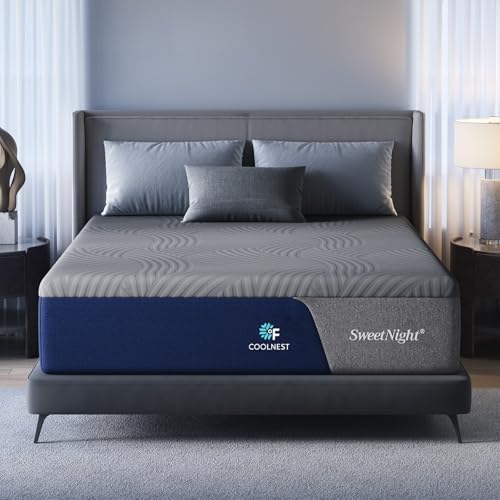
A new mattress feels different because showroom models are broken in by hundreds of people, while your new one is fresh from the factory. Foam and comfort layers need time to soften and adapt. Showroom floors also use firmer foundations, and your home setup changes the feel. This is normal and temporary.
Why it happens
Showroom mattresses have been sat on, laid on, and compressed thousands of times. That traffic softens the comfort layers and loosens the foam cell structure. Your new mattress arrives with tight, uncompressed foam and a firm, bouncy feel. This gap is most noticeable with memory foam and hybrid models.
- Break-in period: Most foam and hybrid mattresses require 30 to 60 nights to settle. During this time, the materials relax and mold to your body.
- Foundation differences: Showrooms often place mattresses on solid, flat platforms. Your bed frame or box spring may flex or lack support, altering the feel.
- Temperature: Showrooms are climate controlled. At home, cooler rooms stiffen memory foam, making it feel firmer at first.
- Compression: Mattresses shipped in a box are compressed for days or weeks. They need 24 to 72 hours to fully expand and off-gas.
How to check
Before deciding the mattress is wrong, rule out simple issues. Follow these steps:
- Measure the mattress height. Compare it to the spec sheet. If it is more than an inch short, it has not fully expanded. Give it another 48 hours.
- Check your foundation. Ensure slats are no more than 3 inches apart. A sagging or flexible base makes any mattress feel softer or uneven.
- Test the mattress at different times of day. Foam softens with body heat. Lie on it for 20 minutes after dinner, not first thing in the morning.
- Rotate the mattress. If one side feels firmer, rotating evens out initial settling.
What to do
Patience is the first tool. Most manufacturers recommend a 30-night minimum break-in before judging comfort. Here is what works:
- Walk on the mattress. Gently walk across the surface with clean feet for a few minutes each day. This speeds foam relaxation without damaging the structure.
- Use a mattress protector. It does not change break-in time but keeps the surface clean during the process.
- Adjust your bedding. A softer mattress topper can bridge the gap if you are uncomfortable during break-in, but it masks the true feel.
- Contact the retailer. If the mattress remains much firmer after 30 nights, review the warranty. Many brands offer a comfort exchange or return.
If you have already decided the mattress is not right, check the return policy. Most bed-in-a-box brands offer a trial period of 100 nights or more. Do not wait past the trial window.
Common mistakes
- Returning too early. Judging a mattress on night one or two is the most common error. Foam needs time to break in.
- Using an old, worn box spring. A sagging foundation makes a new mattress feel lumpy or unsupportive. Replace it if needed.
- Ignoring the mattress topper temptation. A topper can fix temporary discomfort, but it also voids the true trial. Remove it after 30 nights to reassess.
- Comparing to a hotel mattress. Hotel mattresses are often firmer and have pillow tops that are replaced frequently. Your home mattress is meant to last years, not weeks.
When a new mattress makes sense
A new mattress is the right choice when your current one is over seven years old, sagging, or causing pain. If you are upgrading from a low-end model to a higher quality one, the firmer initial feel is a sign of better support. Stick with the break-in process. For guidance on selecting the right type from the start, see our mattress types guide.
| Mattress Type | Typical Break-In Period | Common Initial Feel |
|---|---|---|
| Memory foam | 30 to 60 nights | Very firm, slow to respond |
| Latex | 14 to 30 nights | Springy, bouncy, may feel too hard |
| Hybrid (coils + foam) | 30 to 45 nights | Firm edge support, stiff comfort layer |
| Innerspring | 7 to 14 nights | Firm but consistent, minimal change |
If you are shopping for a new mattress and want to avoid this issue entirely, consider models with shorter break-in times or those that come with a longer trial. Our best memory foam mattress guide lists options with generous return policies.
Frequently asked questions
How long does it take for a new mattress to feel like the showroom model?
Typically 30 to 60 nights for foam and hybrid mattresses. Innerspring models may feel similar within a week. Temperature and foundation also affect how quickly the mattress settles.
Can I speed up the break-in process?
Yes. Walk gently on the mattress for a few minutes daily, keep the room warm, and ensure the foundation is solid. Do not use electric blankets or heaters directly on the mattress, as that can damage the foam.
What if my new mattress still feels wrong after 60 nights?
Contact the retailer or manufacturer. Most reputable brands offer a comfort exchange or return within the trial period. Check your warranty for coverage on defects like sagging or uneven foam. For more on proper care, visit our mattress break-in time guide.