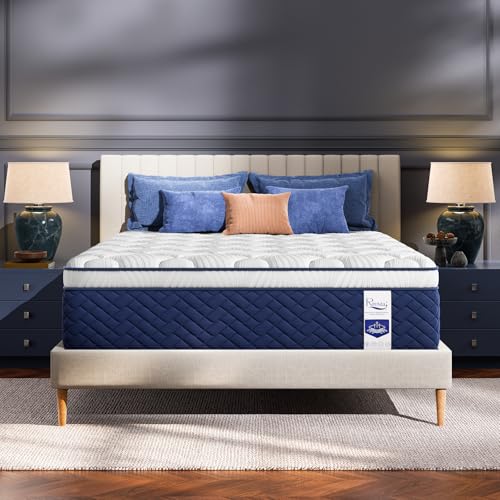
Sleeping on memory foam too soon can cause permanent body impressions, reduced support, and a shorter lifespan. Most foam mattresses need 24 to 72 hours to fully expand and off-gas. If you sleep on it before it reaches full shape, your weight presses into uncured foam, creating sagging spots that never fully recover.
Why it happens
Memory foam mattresses are compressed and rolled for shipping. The foam cells are crushed flat and need time to slowly draw air back in and expand to their intended density and shape. When you sleep on the mattress before this process finishes:
- The compressed foam cannot distribute your weight evenly, so you sink into a concentrated area.
- Uncured foam is softer and more pliable, making it prone to permanent compression under body heat and pressure.
- Off-gassing gases (volatile organic compounds) are still trapped inside the foam. Sleeping in that environment is not dangerous for most people, but it can cause headaches or irritation for sensitive individuals.
This is different from the normal mattress break in time that happens over weeks of use. Sleeping too early causes structural damage, not just a firmer feel that softens with use.
How to check
Before sleeping on your new mattress, look for these signs that it is ready:
- Full height. Measure the mattress thickness at the center and edges. It should match the spec sheet within 1 inch. If the corners are still rounded or low, it is not done expanding.
- Uniform surface. Run your hand across the top. There should be no visible dips, ridges, or soft spots.
- No strong chemical smell. A mild odor is normal. If the smell makes your eyes water or feels overpowering, wait longer.
- Time elapsed. Most all-foam mattresses need 24 hours. Thicker or higher-density models may need 48 to 72 hours. Check the manufacturer label.
If your mattress still looks compressed after 72 hours, see memory foam mattress not expanding for troubleshooting steps.
What to do
If you have already slept on the mattress too soon, do not panic. Damage is not always immediate or permanent. Follow these steps:
- Take the mattress off the bed frame. Place it flat on the floor or a clean surface. This allows the bottom to expand freely without the slats or box spring blocking airflow.
- Give it 48 more hours. Let the mattress rest completely untouched. Open windows or run a fan to speed off-gassing.
- Check for permanent indentations. Lay a straightedge (like a level) across the mattress. If you see a gap of more than 1/2 inch where you slept, that spot may be permanently compressed.
- Rotate or flip if possible. Some memory foam mattresses are one-sided, but if yours is flippable or rotatable, move the damaged area to a low-traffic zone.
- If damage is clear, contact the manufacturer. Most reputable brands cover compression defects under warranty, but sleeping on it too soon may void that coverage. Be honest about what happened and ask for a goodwill solution.
If the mattress is still within the trial period and the damage bothers you, it may be simpler to return it and start fresh with a best memory foam mattress that has a longer expansion window.
Common mistakes
- Putting sheets on immediately. Sheets trap heat and slow air circulation, which delays expansion. Wait until the mattress is fully puffed before making the bed.
- Using a mattress protector too soon. A waterproof protector blocks airflow and can trap off-gassing vapors against the foam. Wait at least 24 hours.
- Sleeping on it just for a nap. Even a few hours on compressed foam can create a body impression that deepens over time. Do not test it until it looks fully expanded.
- Assuming all mattresses expand the same. Hybrid mattresses with coils tend to expand faster than all-foam models. Always follow the specific instructions for your mattress type, which you can learn more about on our mattress types page.
When a new mattress makes sense
If your mattress developed a clear permanent sag from sleeping on it too soon, and the manufacturer will not replace it under warranty, replacement may be the most practical option. A sagging mattress can cause back pain, poor sleep posture, and reduced pressure relief. In that case, look for a model with a generous trial period (at least 100 nights) and clear expansion instructions. Many best mattress in a box options now include step-by-step setup guides that prevent this mistake.
| Situation | Action |
|---|---|
| Mattress still expanding after 24 hours | Wait 48 more hours, check height and feel |
| Slept on it once, no visible sag | Let it fully expand now, monitor for 2 weeks |
| Visible body impression after early use | Contact manufacturer, consider warranty claim |
| Impression deeper than 1 inch | Likely permanent damage, plan for replacement |
Frequently asked questions
Can I sleep on memory foam after 12 hours if it looks fully expanded?
Not recommended. The foam may appear expanded on the surface but still have compressed layers in the middle. Give it the full recommended time, usually 24 hours minimum, to be safe.
Does sleeping on memory foam too soon void the warranty?
It can. Most warranties require proper setup, which includes allowing full expansion before use. Check your warranty terms. Some brands are flexible, but many will deny a sagging claim if they determine the mattress was used prematurely.
Will a memory foam mattress expand faster if I put weight on it?
No. Weight slows expansion by pressing foam cells flat. Let the mattress expand naturally without any load. If you need to speed things up, increase room temperature or use a fan, but never sit or lie on it during the expansion period.