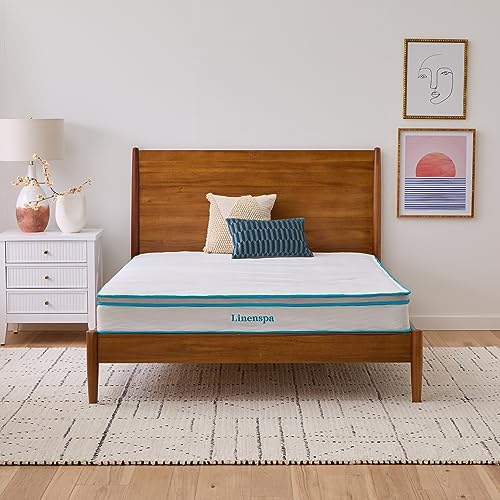
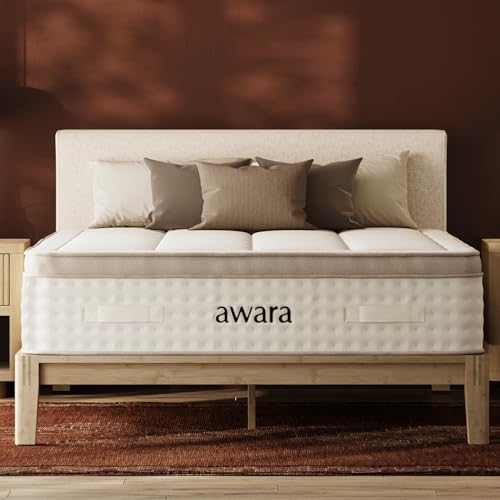
Open cell foam has interconnected air pockets that allow breathability and a softer feel, while closed cell foam uses sealed bubbles that make it denser, firmer, and more supportive. For most sleepers, open cell foam offers better airflow and pressure relief. Closed cell foam is firmer and used more in camping pads or mattress bases.
Why it happens
Foam structure determines how air moves through a mattress and how the foam responds to pressure. Open cell foam has a sponge like structure with tiny connected gaps. When you press down, air escapes easily and returns just as fast. This makes the mattress feel softer and more conforming. Closed cell foam has individual sealed bubbles that act like tiny air bladders. Air cannot move between cells, so the foam resists compression and feels firmer. Manufacturers choose one or the other based on the mattress layer’s job. Comfort layers often use open cell foam for pressure relief. Support layers or transition layers sometimes use closed cell foam for extra stability. Knowing which type you have can help you understand why your mattress sleeps hot or feels too firm.
How to check
You can often tell the difference without cutting open your mattress. Try these simple checks:
- Press test: Push your thumb into the foam. Open cell foam compresses easily and springs back slowly. Closed cell foam resists your thumb and returns to shape very quickly.
- Weight test: Open cell foam is lighter for its size. Closed cell foam feels noticeably heavier and denser.
- Water test: If you have a scrap piece, drop a little water on it. Open cell foam absorbs water quickly. Closed cell foam makes the water bead up and sit on the surface.
- Check the label: Many manufacturers list “open cell technology” or “high density foam” on the law tag or product description. Look for terms like “breathable foam” or “support foam” as clues.
If you are shopping for a new mattress, the foam density number often correlates with cell structure, but it is not a guarantee. Denser foams are more likely closed cell, but some high density open cell foams exist.
Common mistakes
- Assuming all soft foam is open cell: Some closed cell foams are soft when made with very low density, but they still trap heat because air cannot flow through the sealed cells.
- Thinking open cell always sleeps cool: Open cell helps with airflow, but a thick layer of any foam can still retain body heat. The overall mattress construction matters more than just the cell type.
- Confusing firmness with cell type: A firm mattress can use open cell foam if the base layer is dense. A soft mattress can use closed cell foam if the foam is low density. Do not judge cell structure by how the mattress feels alone.
- Ignoring the mattress core: Many budget mattresses use a closed cell polyfoam core that feels supportive but sleeps hot. The comfort layers on top may be open cell, but the core dominates the temperature experience.
When a new mattress makes sense
If you currently sleep on a mattress with a closed cell foam core and you wake up sweaty or find the mattress too firm, switching to a design with open cell comfort layers can help. Many modern mattress types like latex hybrids or gel infused memory foam mattresses use open cell foams in the top layers. If you prefer a very firm, stable sleeping surface and do not overheat easily, a closed cell support core may still work for you. But if temperature regulation is a priority, look for mattresses that advertise open cell construction, breathable covers, or cooling technologies. A quick comparison of common uses can help:
| Feature | Open Cell Foam | Closed Cell Foam |
|---|---|---|
| Common use in mattresses | Comfort layers, memory foam toppers | Support cores, base layers, camping pads |
| Airflow | Good to excellent | Poor to minimal |
| Feel | Soft, conforming, slow rebound | Firm, dense, quick rebound |
| Weight | Lighter | Heavier |
| Best for | Side sleepers, hot sleepers | Stomach sleepers, heavy sleepers needing support |
If you decide that your current mattress is not fixable, see our mattress collection for models that clearly state their foam construction. Pay attention to the difference between foam density and firmness so you do not end up with a mattress that feels right but sleeps hot.
Frequently asked questions
Does open cell foam sag faster than closed cell foam?
Not necessarily. Sag depends more on foam density and quality than cell structure. A low density open cell foam can sag quickly, but a high density open cell foam can last as long as a closed cell foam. Always check the density rating, not just the cell type.
Can you tell open cell from closed cell by looking at the foam?
Sometimes. Open cell foam often looks like a fine sponge with visible tiny holes. Closed cell foam looks smoother and more like solid plastic. But many foams are painted or laminated, so the visible surface may not show the true structure. The press test is more reliable.
Which type is better for a mattress topper?
Open cell foam is usually better for a mattress topper because you want breathability and pressure relief. Closed cell toppers exist but tend to sleep hot and feel too firm for most people. If you need extra support on a soft mattress, a closed cell topper can work, but expect less airflow.