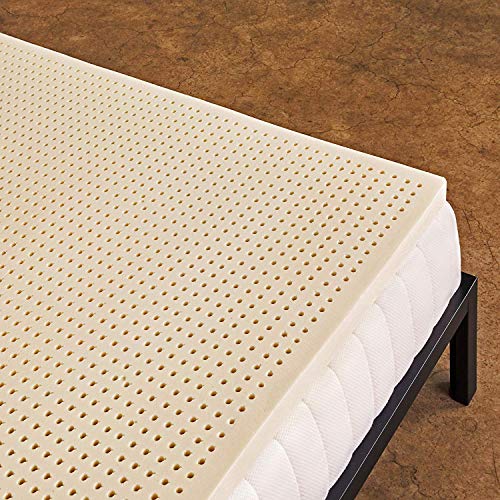
A natural latex mattress uses sap from rubber trees and offers better durability, breathability, and eco-friendliness. Synthetic latex is petroleum based, costs less, but tends to break down faster and sleep warmer. For longevity and health, natural latex is the stronger choice. Synthetic works for a tight budget.
Why it happens
The difference comes from raw materials and manufacturing. Natural latex is harvested from rubber tree sap, then processed into foam using methods like the Dunlop or Talalay process. This creates a resilient, open cell structure that stays springy for years.
Synthetic latex is made from styrene-butadiene rubber (SBR), a petroleum derived polymer. It mimics some latex properties but lacks the molecular stability of natural rubber. Over time, synthetic latex loses its bounce more quickly, can develop permanent body impressions, and often traps heat because its cell structure is less open.
How to check
- Label reading. Look for “100% natural latex” or “GOLS certified.” If it says “blended latex” or “synthetic latex,” it contains petroleum based material.
- Smell test. Natural latex has a faint, sweet, rubbery odor that fades fast. Synthetic latex often has a stronger chemical or plastic smell that lasts weeks.
- Weight check. Natural latex is noticeably heavier and denser than synthetic. Lift the corner of the mattress; if it feels light for its size, it is likely synthetic or blended.
- Feel test. Natural latex responds with immediate, even pushback. Synthetic latex can feel slightly dead or slow to rebound, especially in cooler rooms.
What to do
- Decide your priority. If you want a mattress that lasts 10 to 15 years and sleeps cooler, choose natural latex. If budget is your main concern, synthetic or blended latex can work for 5 to 7 years.
- Check the core. Many mattresses use a synthetic latex comfort layer over a polyfoam or pocket coil core. That is not a true latex mattress. Look for a mattress with a solid natural latex core. See our guide on mattress types for details.
- Consider firmness. Natural latex is naturally more responsive and can feel firmer at the same ILD rating compared to synthetic. Read our mattress firmness guide to understand how latex feels versus other foams.
- Verify certifications. For natural latex, look for GOLS (Global Organic Latex Standard) or OEKO-TEX Standard 100. For synthetic, GREENGUARD Gold is a minimum for off gassing safety.
- If you already own a synthetic latex mattress and it is sagging or sleeping hot, replace it with a natural latex model. For budget options, see our mattress picks.
Common mistakes
- Assuming “latex” means natural. Many brands label mattresses as “latex” when the core is synthetic or blended. Always read the fine print.
- Believing all latex sleeps cool. Synthetic latex can trap heat almost as much as memory foam. Natural latex’s open cell structure is what gives it the cooling advantage.
- Overpaying for synthetic. A synthetic latex mattress should cost significantly less than natural. If you see a high price on a synthetic product, you are paying for marketing, not material.
- Ignoring density. Low density synthetic latex (below 3.5 pounds per cubic foot) will sag quickly. Learn more about foam density and how it affects longevity.
When a new mattress makes sense
If your current mattress shows sagging, persistent heat retention, or a chemical smell that won’t fade, it is time to replace it. A natural latex mattress is a good investment if you want a durable, breathable, and eco friendly sleep surface. If you are on a strict budget, a blended or synthetic latex mattress can be a short term fix, but expect to replace it sooner. For help choosing the right firmness and support, check our ILD guide.
| Feature | Natural Latex | Synthetic Latex |
|---|---|---|
| Source | Rubber tree sap | Petroleum (SBR) |
| Durability | 10-15 years | 5-7 years |
| Cooling | Excellent, open cell | Poor to fair, traps heat |
| Eco impact | Renewable, biodegradable | Non-renewable, not biodegradable |
| Price | Higher | Lower |
| Off gassing | Minimal, natural smell | Strong chemical odor possible |
Frequently asked questions
Can I tell the difference by feel alone?
Often yes. Natural latex bounces back instantly and feels springy. Synthetic latex can feel slightly dead or slow, especially after a few years. But without a side by side test, it can be hard to distinguish when new.
Is blended latex a good middle ground?
Blended latex mixes natural and synthetic. It is cheaper than 100% natural and more durable than all-synthetic, but it still has some petroleum content and may not last as long as pure natural. It is a reasonable compromise if budget is tight.
Does synthetic latex contain the same allergens as natural latex?
Natural latex contains proteins that can trigger allergies in sensitive people. Synthetic latex is petroleum based and protein free, so it is generally safe for those with latex allergies. However, synthetic can still cause reactions from chemical additives in some people.