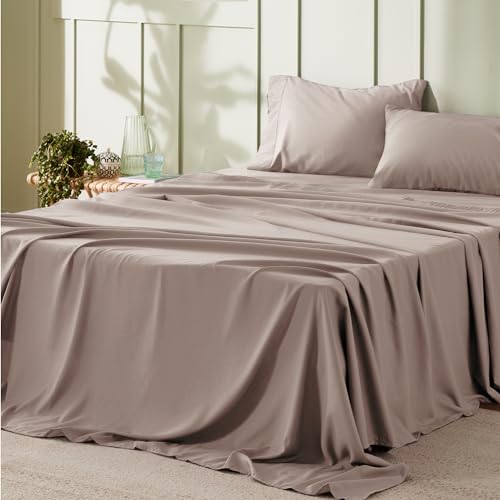
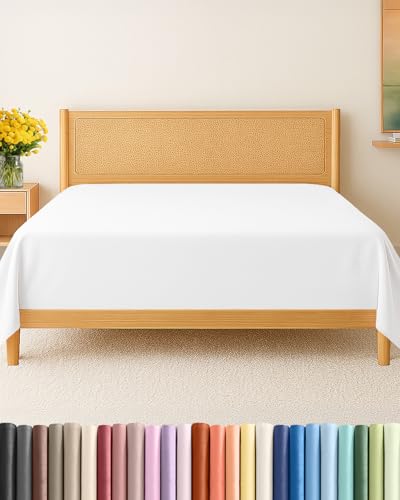
Yes, bamboo sheets can shrink, typically 3% to 5% after the first wash. The extent depends on the weave, the specific bamboo fiber blend, and how you care for them. High-quality bamboo sheets are pre-shrunk to minimize this, but no fabric is 100% shrink-proof. Proper washing is essential to avoid surprise shrinkage.
Why Bamboo Sheets Shrink
Bamboo sheets are made from rayon (viscose) or lyocell fibers derived from bamboo pulp. These fibers are cellulose-based, similar to cotton, and they absorb water readily. When the fibers get wet during washing, they swell. As they dry, they contract, which can cause the fabric to tighten and shrink. Two main factors determine how much they shrink:
- Fiber processing: Bamboo lyocell (often labeled as “closed-loop”) is generally more stable and shrinks less than bamboo viscose. The manufacturing process of viscose can leave fibers more prone to relaxing and shrinking.
- Weave: A tighter weave like percale tends to hold its shape better than a looser sateen weave. Sateen bamboo sheets may show more shrinkage because the looser weave allows more fiber movement.
- Pre-shrinking: Many reputable brands pre-shrink the fabric before cutting and sewing. If a set of bamboo sheets hasn’t been pre-shrunk, you could see up to 7% shrinkage after the first wash.
How to Check If Your Bamboo Sheets Will Shrink
Before you wash a new set, look for these clues:
- Check the care label: If it says “pre-shrunk” or “machine washable,” the manufacturer has already reduced the risk. If it says “hand wash cold” or “lay flat to dry,” the sheets are likely more prone to shrinking.
- Look at the fiber content: 100% bamboo viscose is more likely to shrink than a blend (e.g., bamboo with polyester or cotton). Blends add structure and reduce shrinkage.
- Measure before washing: Lay a fitted sheet flat and measure the length and width. After washing and drying, measure again. A 1-2 inch difference in a 75-inch sheet is normal. More than that means the sheets are shrinking excessively.
What to Do to Prevent Shrinkage
You can’t stop all shrinkage, but you can control most of it with the right routine:
- Wash in cold water (below 85°F). Hot water forces bamboo fibers to swell more, leading to greater shrinkage. Cold water is gentler and keeps the fibers stable.
- Use a gentle cycle. Agitation from a normal cycle can stretch and distort wet fibers. A delicate or gentle cycle reduces this stress.
- Never use high heat to dry. Heat is the biggest culprit. Tumble dry on low or no heat, or better yet, hang dry. If you must use a dryer, pull the sheets out while they’re still slightly damp and let them air finish.
- Avoid bleach and fabric softener. Bleach weakens bamboo fibers, making them more likely to shrink over time. Fabric softener coats the fibers and can interfere with their natural moisture-wicking ability, plus it can cause pilling that makes shrinkage look worse.
Common Mistakes People Make
- Assuming “bamboo” means no shrinkage. All natural and semi-synthetic fibers shrink to some degree. Bamboo is not an exception.
- Drying on high heat “to save time.” This is the fastest way to shrink bamboo sheets by 5-7% in one cycle. It’s also the most common mistake.
- Overloading the washer or dryer. When sheets are packed tightly, they don’t move freely, which can cause uneven shrinkage and wrinkling. Wash one set at a time.
- Ignoring the fitted sheet’s pocket depth. Shrinking a fitted sheet can make it too small for your mattress. If you have a thick mattress (12+ inches), check your sheet’s pocket depth before buying. For more on sizing, see our bed sheet sizes guide.
When a New Mattress Makes Sense
Shrunken bamboo sheets can be frustrating, but they rarely warrant buying a new mattress. However, if your fitted sheet has shrunk so much that it pops off the corners every night, and your mattress is older than 7-8 years, it might be time to consider a replacement. A sagging or worn-out mattress can also cause sheets to fit poorly. If you’re already shopping for a new mattress, look for one with standard dimensions (8-10 inches) to make sheet fitting easier. Otherwise, simply buy a new set of bamboo sheets that are pre-shrunk and sized correctly.
For a deeper look at what makes sheets durable, read our cotton sheet types article (the principles apply to bamboo too). And if you’re comparing bamboo to other materials, our sheets category page has more honest breakdowns.
| Fabric Type | Typical Shrinkage (1st Wash) | Best Wash Method |
|---|---|---|
| Bamboo Viscose (100%) | 3-5% | Cold water, low heat dry |
| Bamboo Lyocell (100%) | 2-3% | Cold water, air dry preferred |
| Bamboo Blend (with polyester) | 1-2% | Cold water, low heat dry |
Frequently asked questions
Can I unshrink bamboo sheets?
Partially, yes. If your sheets have shrunk, soak them in lukewarm water with a capful of hair conditioner for 15 minutes. Gently stretch them back to size while wet, then air dry. This works best for viscose bamboo but may not fully restore lyocell sheets.
Do bamboo sheets shrink more than cotton?
Generally, bamboo sheets shrink about the same as standard cotton (3-5%). However, high-quality cotton like Egyptian cotton can shrink less (1-2%) if pre-shrunk. Bamboo lyocell is comparable to good cotton, while bamboo viscose can shrink slightly more. For a comparison of cotton options, see our cotton sheet types guide.
Should I buy bamboo sheets a size larger to account for shrinkage?
No. Reputable bamboo sheet sets are pre-shrunk or sized with a small allowance. Buying a larger size (e.g., queen fitted for a full mattress) will create baggy, loose sheets that bunch up. Instead, buy the correct size and follow the care instructions above. If you’re unsure about sizing, our bed sheet sizes page can help.