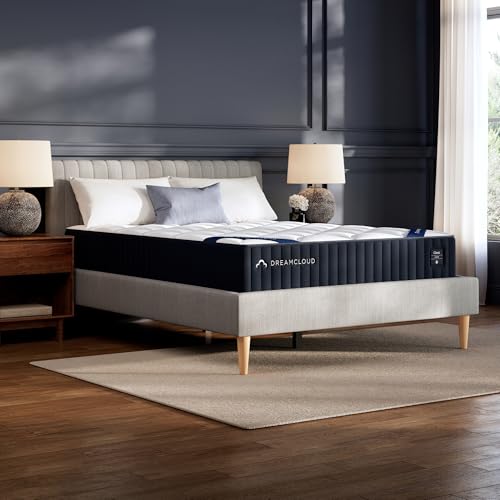
Copper infused foam uses metallic particles for claimed heat conduction and antimicrobial properties. Gel memory foam uses gel beads or liquid gel to reduce heat retention and adjust firmness. Neither is strictly better. Choose copper if you want a cooler surface with antibacterial claims. Choose gel if you want a more consistent, pressure relieving feel without added firmness.
Why it happens
Both copper and gel are additives to standard memory foam. Memory foam itself is heat sensitive. It softens with warmth and can trap body heat. Manufacturers add copper or gel to change how the foam handles temperature and pressure.
- Copper infused foam is made by mixing copper particles into the foam. Copper is a natural conductor of heat. The idea is that copper pulls heat away from your body and spreads it through the foam. Copper also has antimicrobial properties, which some brands use to claim the foam resists bacteria and odors.
- Gel memory foam comes in two forms: gel beads suspended in the foam, or a separate gel layer. Gel does not absorb heat the way standard foam does. It stays cooler to the touch and helps the foam maintain a more consistent firmness regardless of room temperature. Some gel foams also have a slightly more responsive feel, meaning you don’t sink in as deeply.
Neither additive changes the core foam density or durability. That depends on the base foam quality, not the copper or gel content.
How to check
To decide which is right for you, look at three things: temperature sensitivity, pressure relief, and certifications.
- Check the foam density. Copper or gel means little if the foam is low density. Look for at least 4.0 pounds per cubic foot for memory foam. That is the real indicator of support and longevity. Our article on foam density explains why.
- Assess your sleep temperature. If you sleep hot, gel foam is more reliably cooling than copper. Copper can feel cool initially but may not sustain that over a whole night. Gel maintains a more neutral temperature.
- Look for CertiPUR-US or GREENGUARD Gold. These certify that the foam, copper or gel, has low volatile organic compound emissions. Neither additive replaces these safety standards.
- Test the firmness. Copper infused foam often feels slightly firmer because the particles add structure. Gel foam can be made in any firmness. If you need a softer feel, gel is usually the safer bet. See our firmness guide for more.
Common mistakes
- Believing copper cures pain. Copper infused foam does not deliver therapeutic copper to your body. It is a foam additive, not a medical device. Any pain relief comes from the foam’s pressure relief, not the copper itself.
- Assuming gel is always cooler. Some gel foams are just colored standard foam. True cooling gel foams use phase change materials or open cell structures. Read the fine print. If the mattress does not mention breathable construction, gel alone may not keep you cool.
- Ignoring the base foam. A cheap mattress with copper or gel is still a cheap mattress. The additive does not fix poor support or fast sagging. Focus on foam density and overall construction first.
When a new mattress makes sense
If your current mattress is more than seven years old, sagging, or causing you to wake up hot despite trying a cooling topper, it is time to replace it. Copper and gel are both upgrades over standard memory foam, but neither is a miracle. A new mattress that uses high density foam with either additive will give you better support and temperature regulation than a low density foam with a fancy name. If you need a full replacement, browse our mattress categories to compare options by construction, not just marketing claims.
| Feature | Copper Infused Foam | Gel Memory Foam |
|---|---|---|
| Primary benefit | Heat conduction, antimicrobial claims | Consistent temperature, less sinkage |
| Feel | Slightly firmer, less conforming | Softer, more pressure relieving |
| Cooling reliability | Moderate, can plateau | High, especially with open cell foam |
| Durability | Depends on base density | Depends on base density |
| Best for | Sleepers who want antimicrobial and a firmer feel | Hot sleepers who want deep pressure relief |
Frequently asked questions
Does copper infused foam actually kill bacteria?
Copper has antimicrobial properties in medical settings. In foam, the copper particles are embedded and not in direct contact with skin in a way that reliably kills bacteria. Some independent lab tests show reduced bacterial growth, but it is not a substitute for cleaning your mattress protector or sheets.
Is gel memory foam too soft for stomach sleepers?
Not necessarily. Gel memory foam can be made in different firmness levels. Stomach sleepers need a firmer mattress to keep the hips from sinking. Look for a gel foam mattress with a higher ILD rating, or one that uses gel in a top layer over a firm support core. Read more about ILD and firmness to understand the numbers.
Which one lasts longer, copper or gel foam?
Neither lasts longer on its own. The lifespan of any foam mattress depends on the base foam density and the quality of the support core. A 4.0 pound density memory foam with copper or gel will outlast a 2.5 pound density foam regardless of the additive. Always check the density spec before buying.