Microfiber sheets feel hot because their tightly woven polyester fibers trap body heat and block airflow. Unlike natural fibers, microfiber lacks breathability, so moisture and warmth get stuck against your skin. This makes them a poor choice for hot sleepers, regardless of thread count.
Why it happens
Microfiber is made from ultra-fine polyester strands woven densely together. Polyester is a plastic-based material that does not absorb moisture. When you sleep, your body heat and sweat have nowhere to go. The tight weave creates a barrier that reflects warmth back at you, turning your bed into a heat trap. Natural fibers like cotton have air pockets that let heat escape, but microfiber’s construction is designed for softness and durability, not cooling.
How to check if your sheets are the problem
If you wake up sweaty or feel clammy even in a cool room, your sheets may be the culprit. Look at the care label: if it says 100% polyester or microfiber, that’s likely the issue. A simple test: press your palm against the sheet for ten seconds. If your hand feels warm and damp when you lift it, the fabric isn’t breathing. Compare that to a cotton sheet , your hand should feel cooler and dry faster.
What to do if you already own microfiber sheets
- Wash them in cool water with a cup of white vinegar to remove any fabric softener buildup, which worsens heat retention.
- Switch to a percale weave cotton sheet , it’s crisp, lightweight, and allows air to circulate. Read our guide to cotton sheet types for details.
- Use a lighter blanket or sleep with just a flat sheet on warm nights.
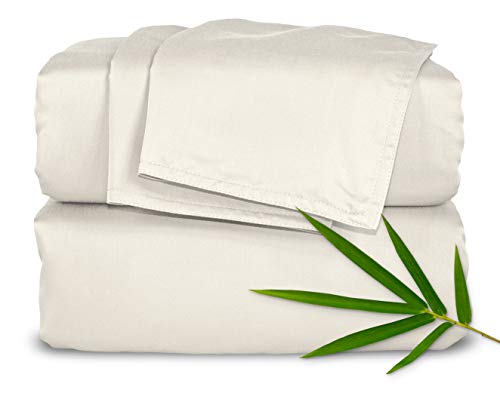
- Consider a linen or bamboo sheet set if you sleep very hot , both are naturally moisture-wicking and breathable.
Common mistakes people make
- Assuming high thread count fixes heat. Thread count matters less than fiber type. A high thread count microfiber sheet is still polyester and will trap heat.
- Using fabric softener or dryer sheets. These coat microfiber fibers with a waxy layer that seals in heat even more.
- Thinking “cooling” labels on microfiber work. Most “cooling” microfiber is just marketing , the base material still doesn’t breathe like natural fibers.
- Blaming your mattress when it’s the sheets. Before buying a new mattress, swap your sheets first. It’s a cheaper fix.
When a new mattress makes sense
If you’ve switched to breathable sheets like cotton percale or linen and still feel hot, your mattress could be the issue. Many memory foam and polyfoam mattresses trap heat because they hug your body and limit airflow. In that case, upgrading to a mattress with cooling gel, coil springs, or latex might help. But always start with the sheets , they’re the layer touching your skin. Our bed sheet buying guide can help you choose the right fabric before you consider a new mattress.
How microfiber compares to common alternatives
| Material | Breathability | Moisture wicking | Best for |
|---|---|---|---|
| Microfiber (polyester) | Poor | Low | Budget, softness |
| Cotton percale | Excellent | Good | Hot sleepers |
| Linen | Excellent | Excellent | Very hot sleepers |
| Bamboo (rayon) | Good | Good | Warm sleepers on a budget |
For a full breakdown of sizes and fits, visit our bed sheet sizes guide. And if you’re ready to shop, browse our sheets collection for breathable picks.
Frequently asked questions
Can I make my microfiber sheets cooler?
Only slightly. Wash them without fabric softener, use cool water, and skip the dryer heat. But the fabric itself will still trap heat. For real relief, replace them with cotton or linen.
Are there any microfiber sheets that don’t sleep hot?
No. All microfiber is polyester, which is inherently non-breathable. Some brands add cooling finishes, but those wash out after a few cycles. You’re better off choosing a natural fiber.
Do microfiber sheets cause night sweats?
They can contribute by trapping heat and moisture against your skin. If you’re prone to night sweats, microfiber will make it worse. Switch to a breathable fabric like percale cotton or linen.